Reselling has a special kind of heartbreak: you finally find the perfect vintage hoodie for €15, blink, and it's gone. Or worse—you buy it, list it, and realize you thought it was a deal… but the market doesn't agree. In resale, timing and pricing are everything, and most people are basically playing a guessing game with a shopping cart.
At the Student Vibecoding Hackathon, Maxell Aguiran and Irfanulla Khan decided to remove the guessing part.

Maxell brought the speed obsession. Before the hackathon, he'd built "Forex Prophet," an automated system that watches currency charts and places trades faster than humans can react. But he wanted something that felt less like a finance lab experiment—"I wanted to build something my friends would actually use," he says.
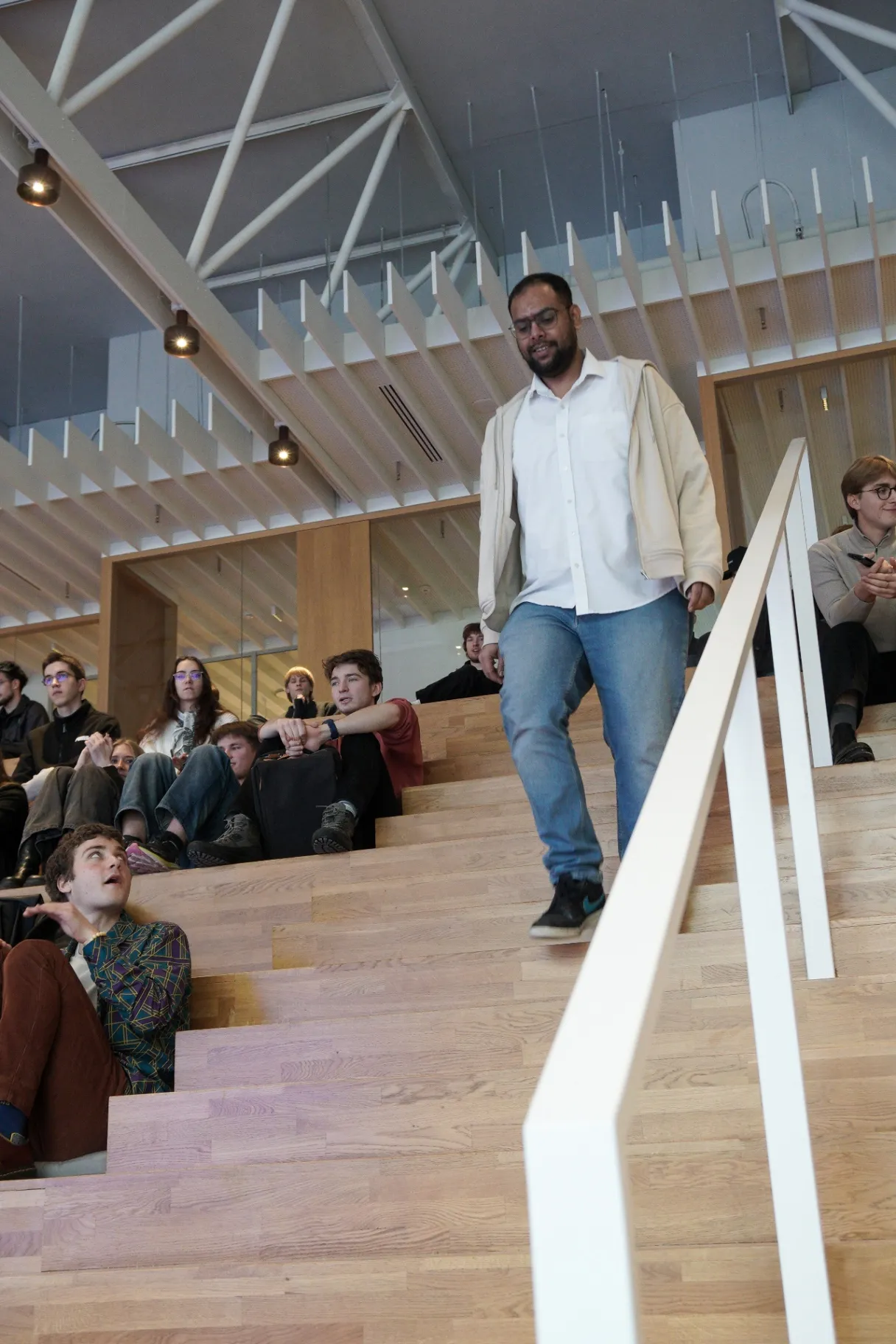
Irfanulla brought the product brain: how to choose a problem worth solving, keep the scope realistic, and make sure the team ships something testable—not just a polished pitch. "The hackathon felt familiar," he says. "I've handled similar pressure with real clients, so I focused on decisions, scope, and delivery."
Four days later, they walked out with FlipAI—a resale arbitrage tool that scans for underpriced items and tells you, in plain terms, when a listing is likely profit.
FlipAI: reselling, but with math (and less pain)
Here's the simple idea behind FlipAI: when a new listing appears on Vinted, the tool checks what similar items actually sold for on eBay and Depop. If it spots a gap—like a hoodie listed for €15 that consistently sells for €45—it flags the opportunity, estimates profit, and gives it a confidence score.
Market value minus cost, times confidence. That's it.
The magic is what that replaces: hours of scrolling, gut-feel pricing, and the "wait… was that actually a good deal?" spiral.
And FlipAI wasn't their first pick. "We explored 20+ ideas," Irfanulla says. "We couldn't agree on a clear blue-ocean winner, so we chose FlipAI—a red-ocean problem with real demand and post-hackathon potential." He's not a reseller himself, but people close to him are—and their frustrations shaped the solution.
That's a very Student Vibecoding Hackathon pattern: don't build something abstract—build something that hurts in real life, because those are the problems people actually care about.
Why they moved so fast
A lot of hackathon teams lose momentum on teamwork basics: who owns what, what's "good enough," what gets cut when time runs out.
Maxell and Irfanulla didn't have to learn each other from scratch. "We'd already worked together on multiple projects," Irfanulla says. "We knew each other's strengths and limits. That trust translated into speed." Their split was simple and effective: Maxell drove the tech and architecture; Irfanulla drove product, priorities, and go-to-market.
The problem that almost killed the project: getting data without getting blocked
FlipAI only works if it can pull marketplace data continuously. And that's exactly where projects like this usually die—not because the idea is bad, but because scraping in the real world comes with a boss fight: rate limits, IP blocks, CAPTCHAs, and platforms that don't want you moving faster than a human.
"The worst part is always getting rate-limited or blocked and having to deal with IP management," Maxell explains. Try to scrape too fast? Blocked. Too many requests? CAPTCHA. Repeat? Welcome to infrastructure hell.
And in a four-day hackathon, infrastructure hell is basically game over.
Enter Oxylabs: the tool that made building possible
Instead of spending the hackathon duct-taping proxy chains together, the team plugged into Oxylabs and moved on to the part that actually wins hackathons: building a working product.
Oxylabs provided access to a large, rotating pool of residential IPs and tooling that helps you avoid the usual blockers—so their requests looked like normal browsing behavior across different locations, rather than one suspicious bot.
"I didn't even need to raise a support ticket," Maxell says. "The documentation was clear enough to plug into my Python backend and start building actual features."
That one choice basically bought them time: while other teams were fighting blocks, FlipAI was building the matching logic, confidence scoring, and profit calculations.
What they built in four days (and how they built it)
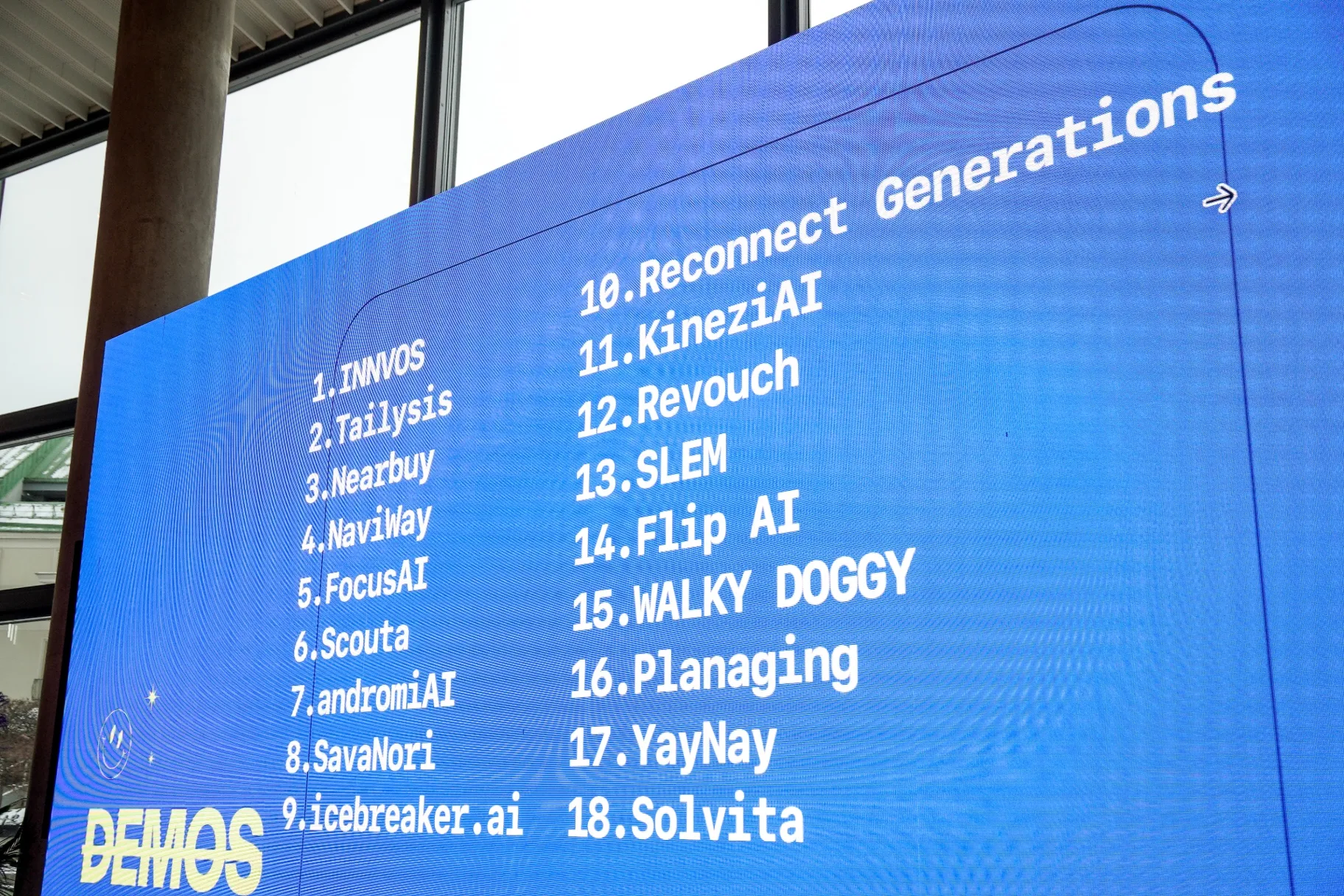
By Demo Day, FlipAI wasn't a slide deck. It was functional: pulling listings, matching items across platforms, and scoring opportunities in real time. Their two constant enemies were exactly what you'd expect in resale:
- •Speed: good items disappear fast
- •Accuracy: one wrong recommendation can kill user trust instantly
The hackathon format rewards momentum: rough draft first, improvements second. Maxell and Irfanulla started fast, then tightened the build once they knew what mattered.
"We started an initial draft of the front end with Natively and Google Stitch, then I wanted more control so we took it and moved everything to Google Antigravity, and did back end on Antigravity as well."
Prototype quickly. Improve deliberately. Keep shipping.
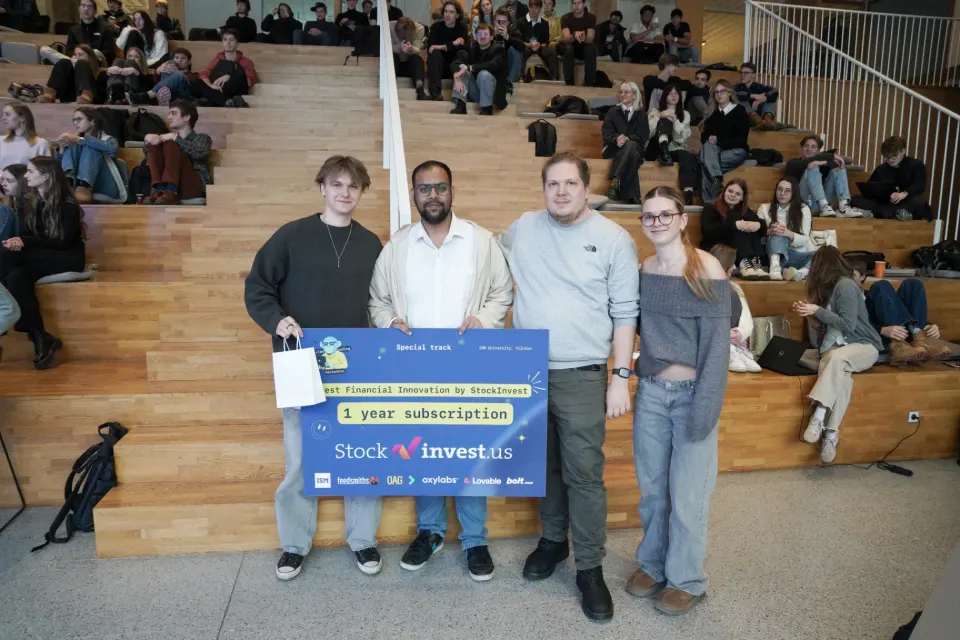
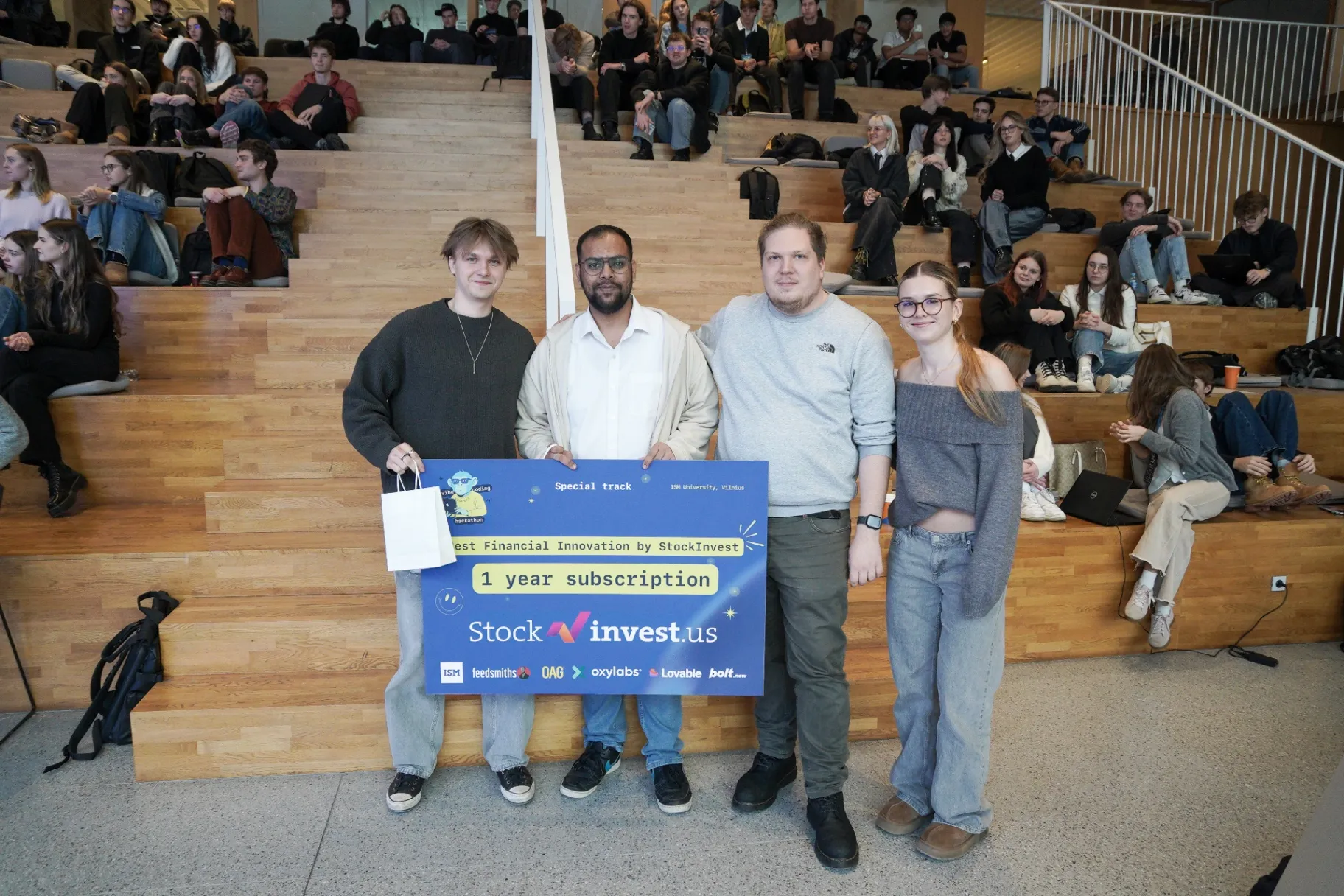
The result: a prototype that judges and other students could test live—exactly what the Student Vibecoding Hackathon is about. And it paid off: FlipAI won the Best Financial Innovation award by Stockinvest.us, a strong signal this wasn't just a clever demo—it had real market potential.
What happens after the hackathon
FlipAI wasn't built as a "delete it on Monday" project.
"We're refining the product and using it internally first," Irfanulla says. "Trial starts January 2026, with a Q2 2026 launch target."
Featured in the article




A huge thank you to Oxylabs, Natively, Google Cloud and StockInvest.US for partnering with the Student Vibecoding Hackathon—giving students access to professional-grade tools that turn ideas into working products, and sponsoring prizes that recognize real innovation.
2025 event partners
Thank you to everyone who backed Vibecoding Hackathon 2025
Main Partners


Community Partners

Supporters
















Media Partners



Published by Vaida · January 15, 2026
Read more stories