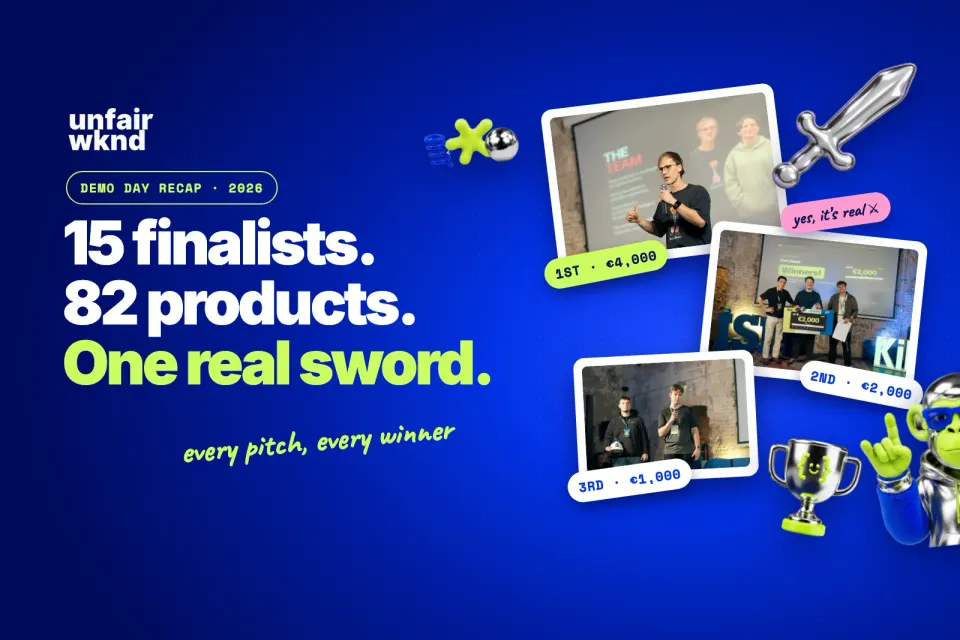
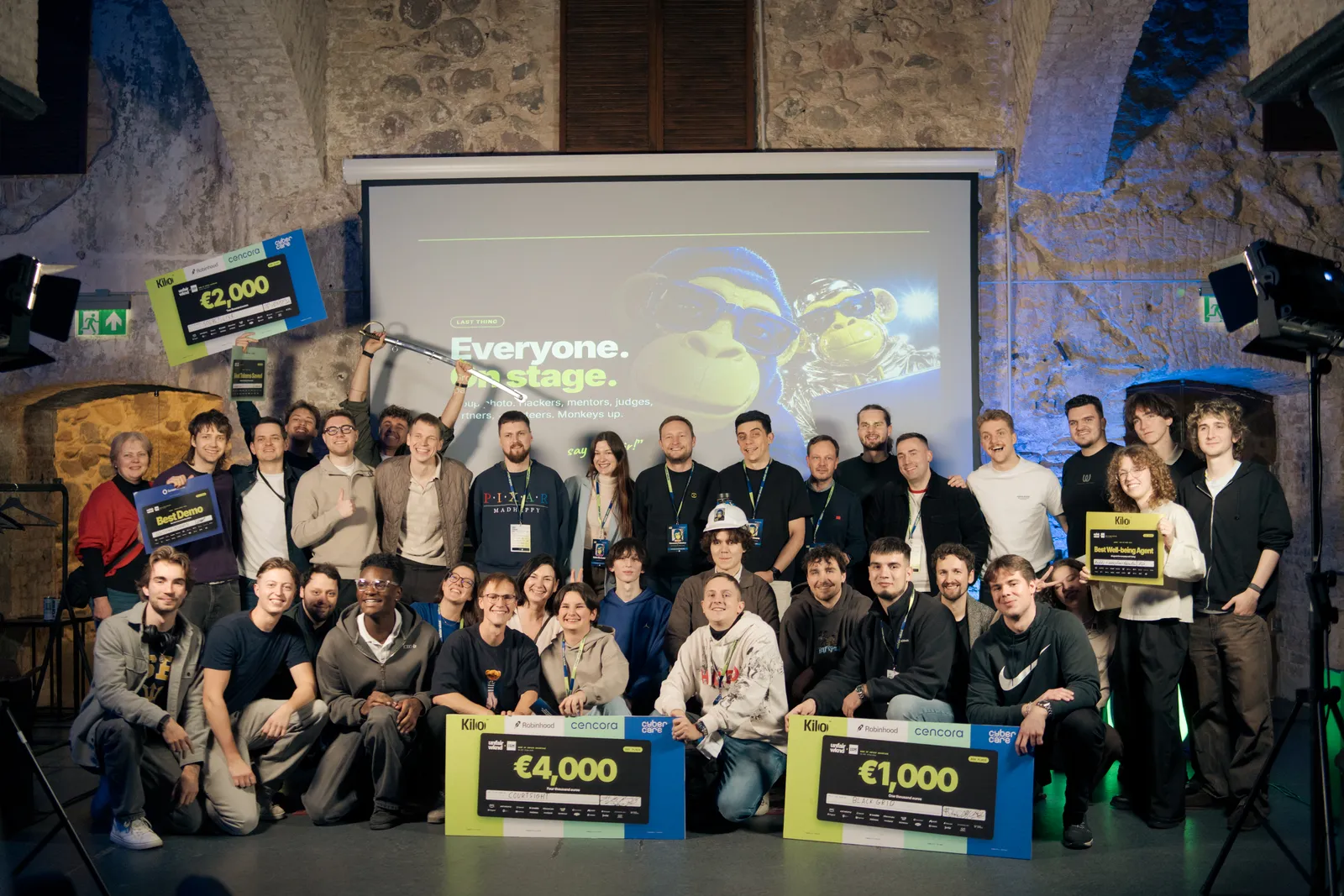
On Sunday afternoon, fifteen teams took turns on the stage at Kilo’s Aludariai bar. Three minutes each, a jury in the front row, a packed room behind them. Between them they had built AI commentators that call a basketball game out loud, agents that pay other companies’ agents with real money, a firefighter helmet that draws walls through smoke and a voice assistant grandmothers can simply call. One team walked off knighted with an actual sword.
They got there in four days. Unfair Weekend 2026, the biggest vibecoding hackathon in the Baltics, ran from Thursday to Sunday at ISM University of Management and Economics in Vilnius (and we’re pretty sure somebody slept on campus overnight too). By the Saturday 20:00 deadline, 230 people had built 82 functional prototypes, backed by Anthropic, OpenAI, ElevenLabs, Lovable and AWS. Every participant got Lovable, Claude and Codex credits for the weekend.
There were two ways onto Sunday’s stage. On Saturday night the pre-judges picked a top 10 from all 82 projects. Then 5,500 people voted in the public vote, which sent five more: the most-voted teams that weren’t already in the top 10. The jury was Vytautas Butkus (Vinted), Miks Miķelsons (Mistral), Domantas Patinskas (Kilo), Karolis Valaika (CyberCare) and Eigirdas Žemaitis (ISM), with €7,000 in cash prizes on the line, plus partner prizes and one real sword.
All 15 finalists at a glance

Tap any of them to jump to their pitch.
The podium

1st place, €4,000: Courtsight
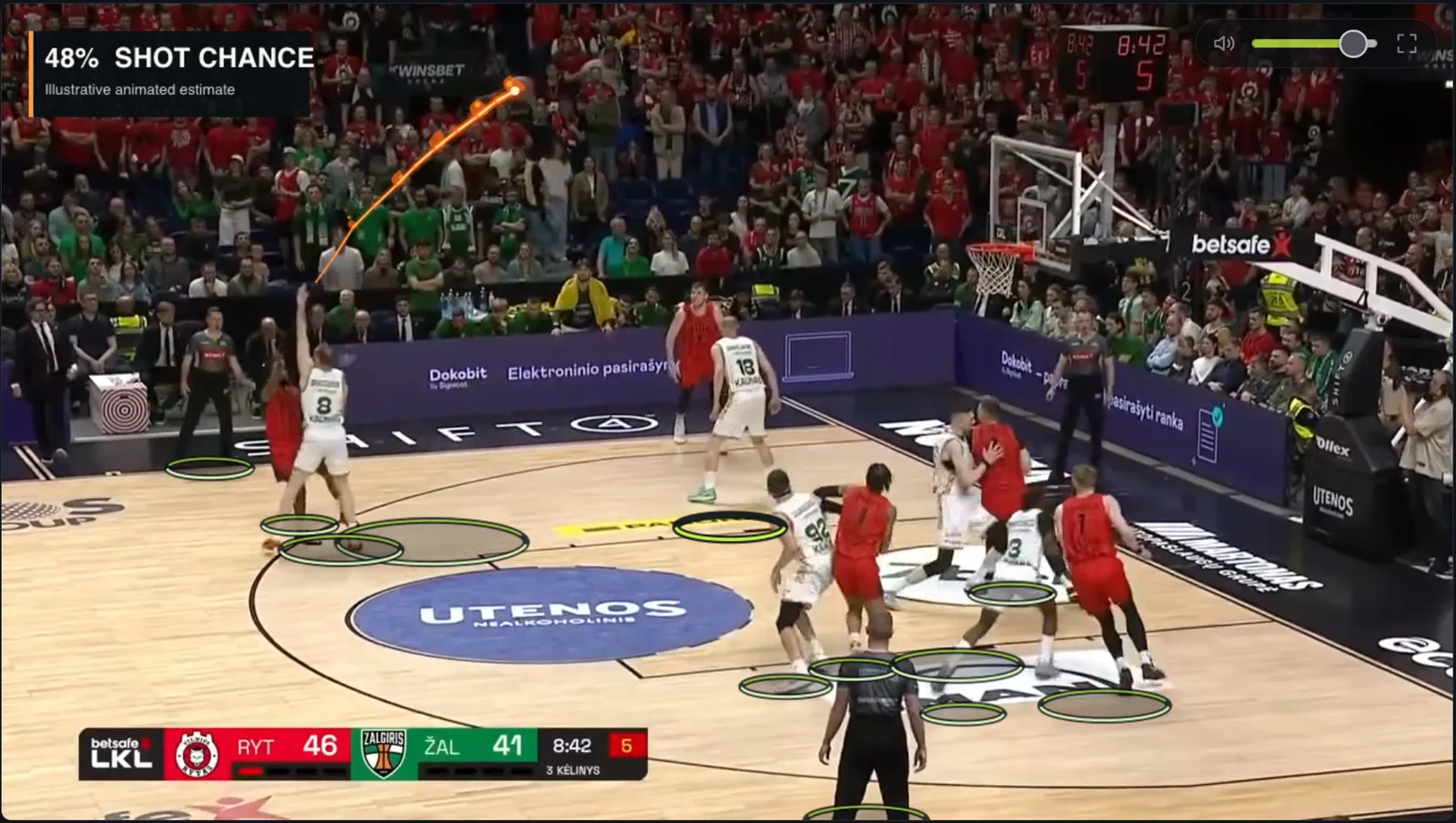
Most games never get a commentator: local leagues, school tournaments, ultimate frisbee on a Tuesday night. Courtsight gives every one of them a caster. Point it at a video and press play. Computer vision follows the ball and the players, and one or two AI casters call the game out loud. They banter, call each other by name and back rival teams. They can switch language in the middle of a sentence without starting over.
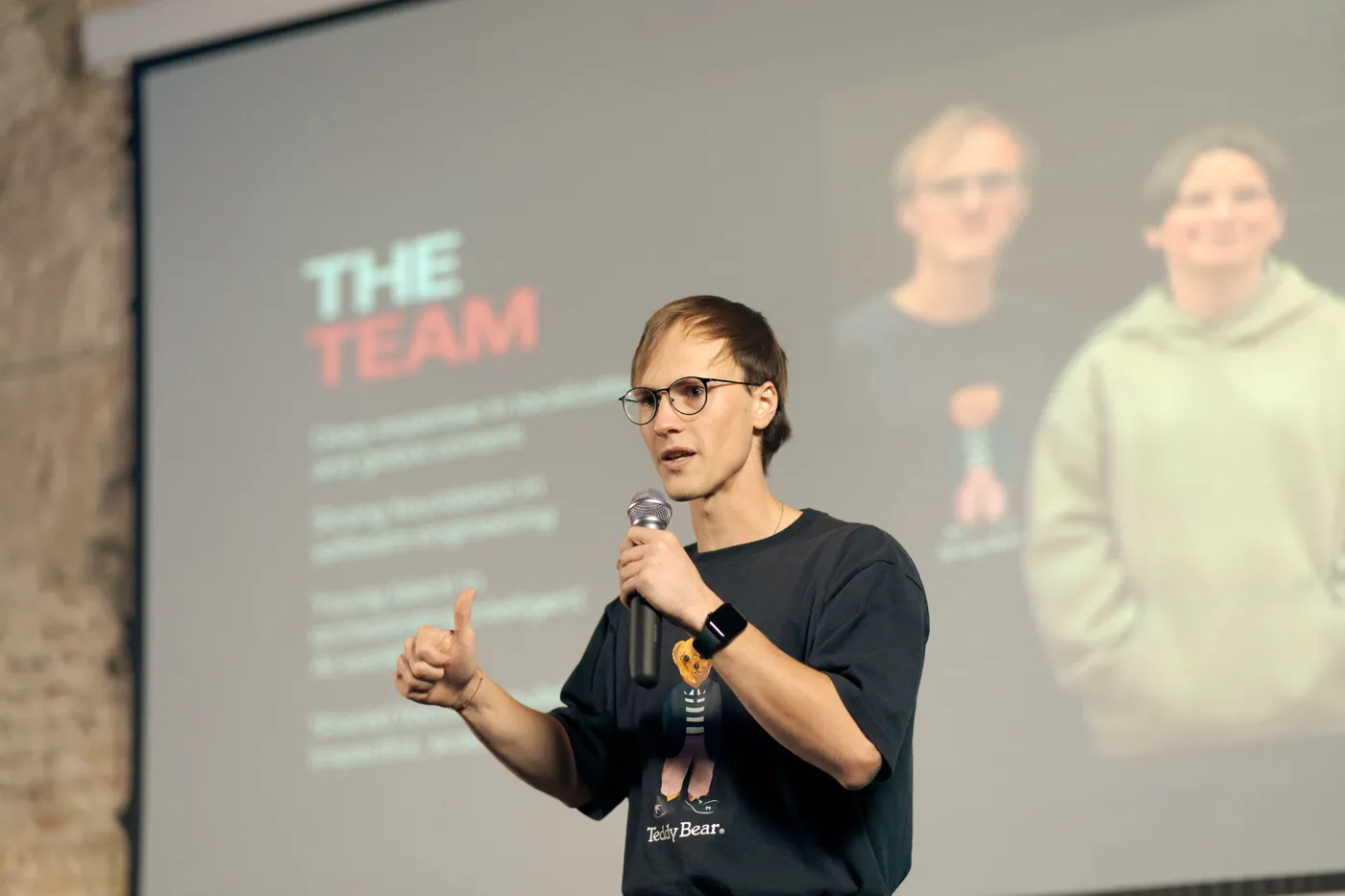
It works for basketball, football and ultimate frisbee, and it tracks live football at about 40 frames per second on a laptop. The team’s biggest lesson was about timing: “A great line that is late feels wrong.” Asked on Devpost what they built it with, they wrote: “claude, codex, elevenlabs, blood, sweat, tears.”
Benediktas is 12 and goes to Simonas Daukantas Progymnasium in Vilnius. He applied on his own and teamed up with two software engineers he met at the event. Next, they want to test Courtsight in real matches.
2nd place, €2,000: sourcy.live
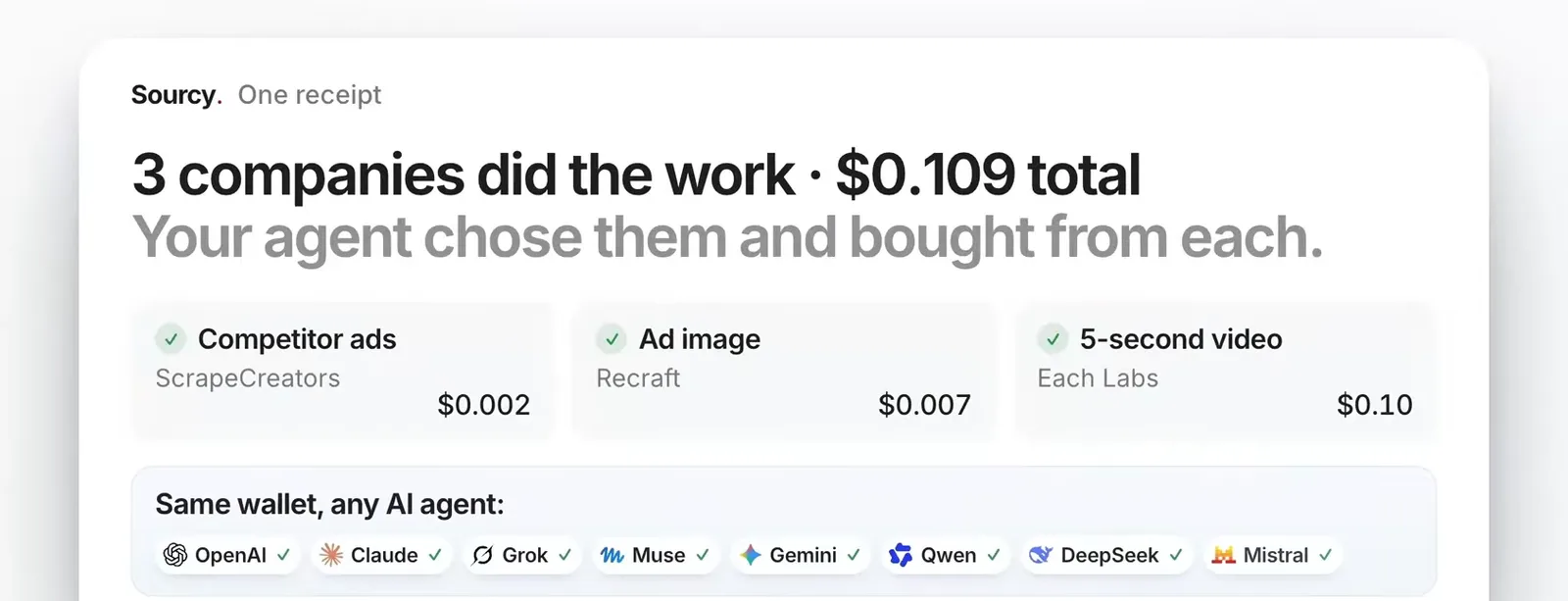
Every company is getting an AI agent. But those agents can’t reach each other, agree a price or pay. The moment a job needs something from outside, a person has to step in and open an account, paste an API key or approve an invoice.
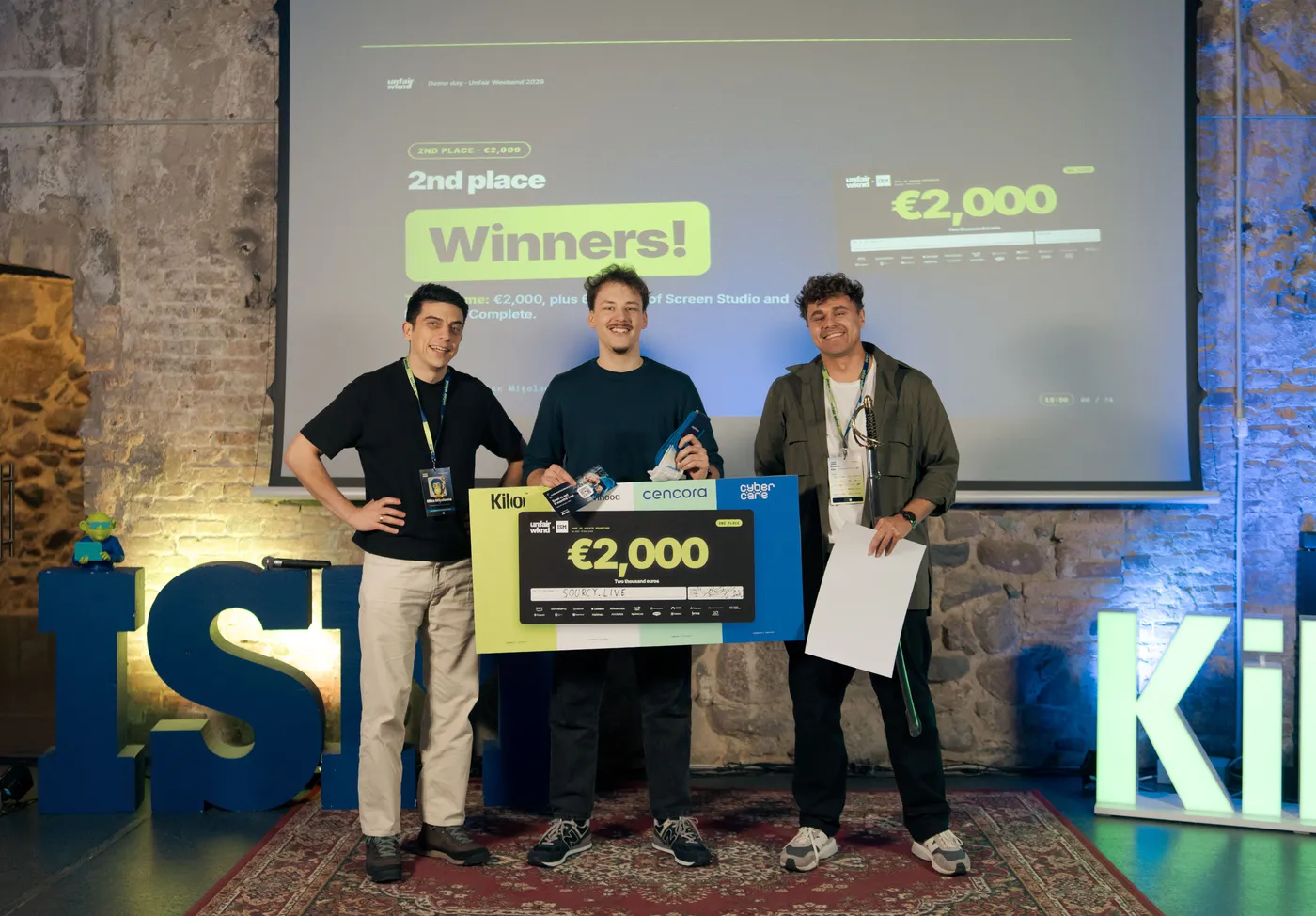
sourcy.live is where agents do business. You give your agent one request. It splits the job into tasks, finds a company for each, asks their agents for a price and comes back with one quote. You say yes once, and it pays each company per use in USDC.
There was no play money. By the deadline, agents had made 9 paid purchases with real USDC from three companies’ services, and a spending rule had stopped one more before any money moved. Only the owner can change the limits. The agent can’t. The two of them went home with three prizes, the most of anyone: 2nd place, the Kilo Co-Found founders’ dinner and the condense sword.
3rd place, €1,000: BlackGrid
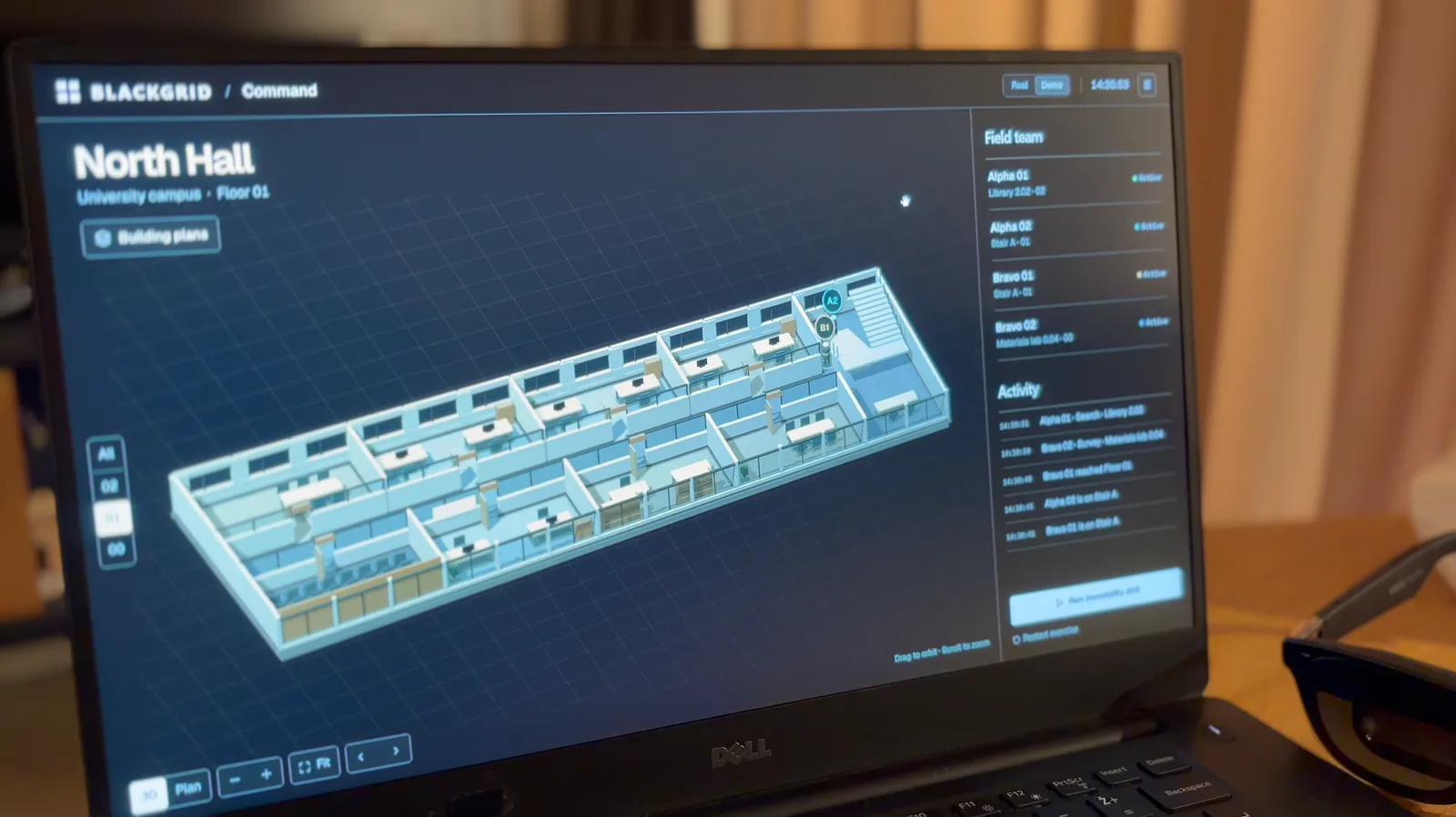
In a burning building, smoke takes visibility down to almost nothing. Firefighters feel their way along walls and can get lost even in small rooms. BlackGrid is a helmet with a LiDAR scanner and AR glasses that draw the walls as bright lines over what you see, so smoke can’t hide them. The commander outside watches a live map of the walls and the firefighter’s route.
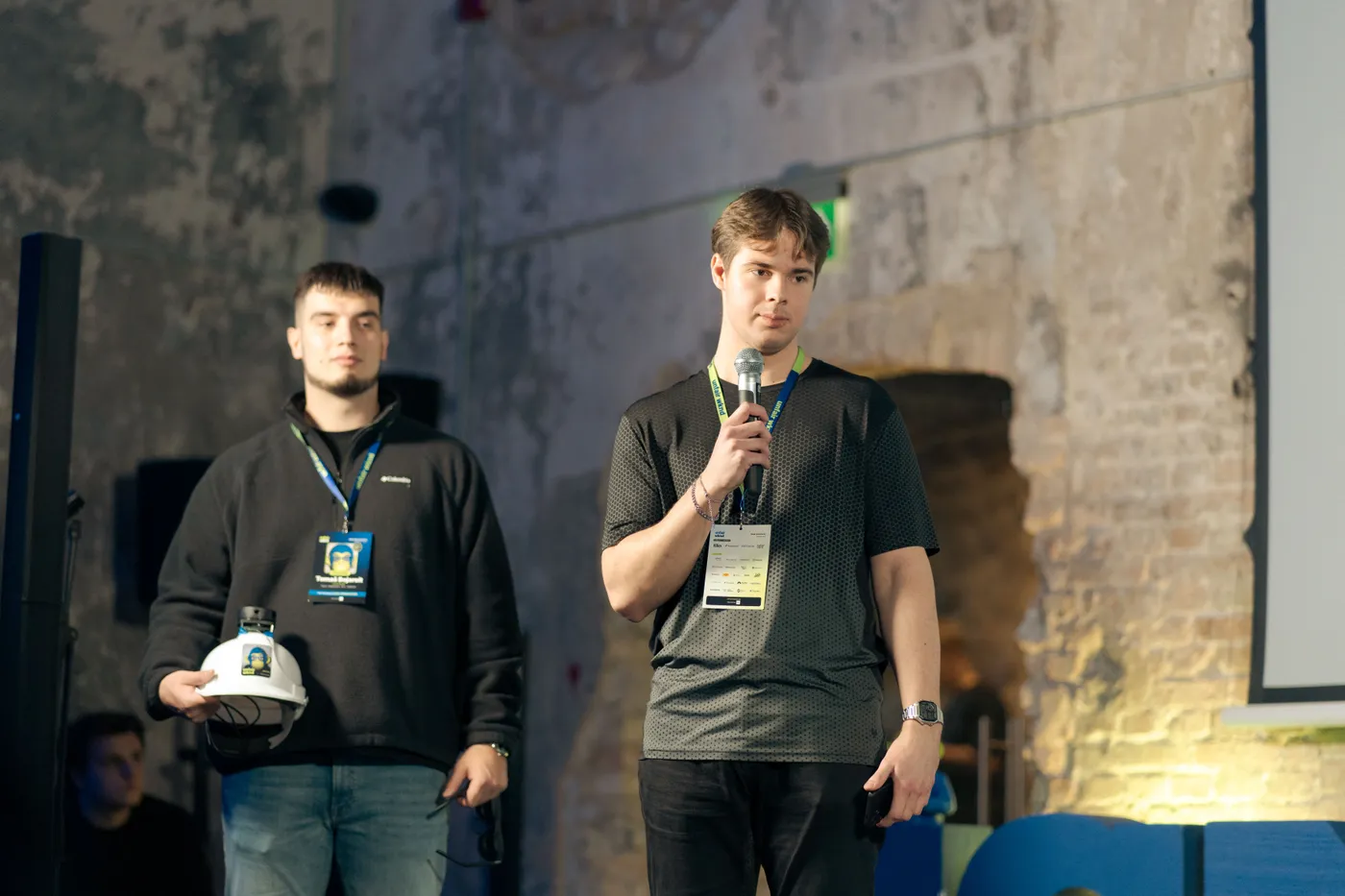
It was the weekend’s hardware project. A LiDAR, a helmet, AR glasses and a laptop all had to stay in sync while someone turned their head. “Hardware takes far longer than code,” the team wrote, “and in AR even small lag feels wrong.” They also won a founders’ lunch at basedspace.
The rest of the pre-judges’ top 10

In the order they pitched.
Klario Care
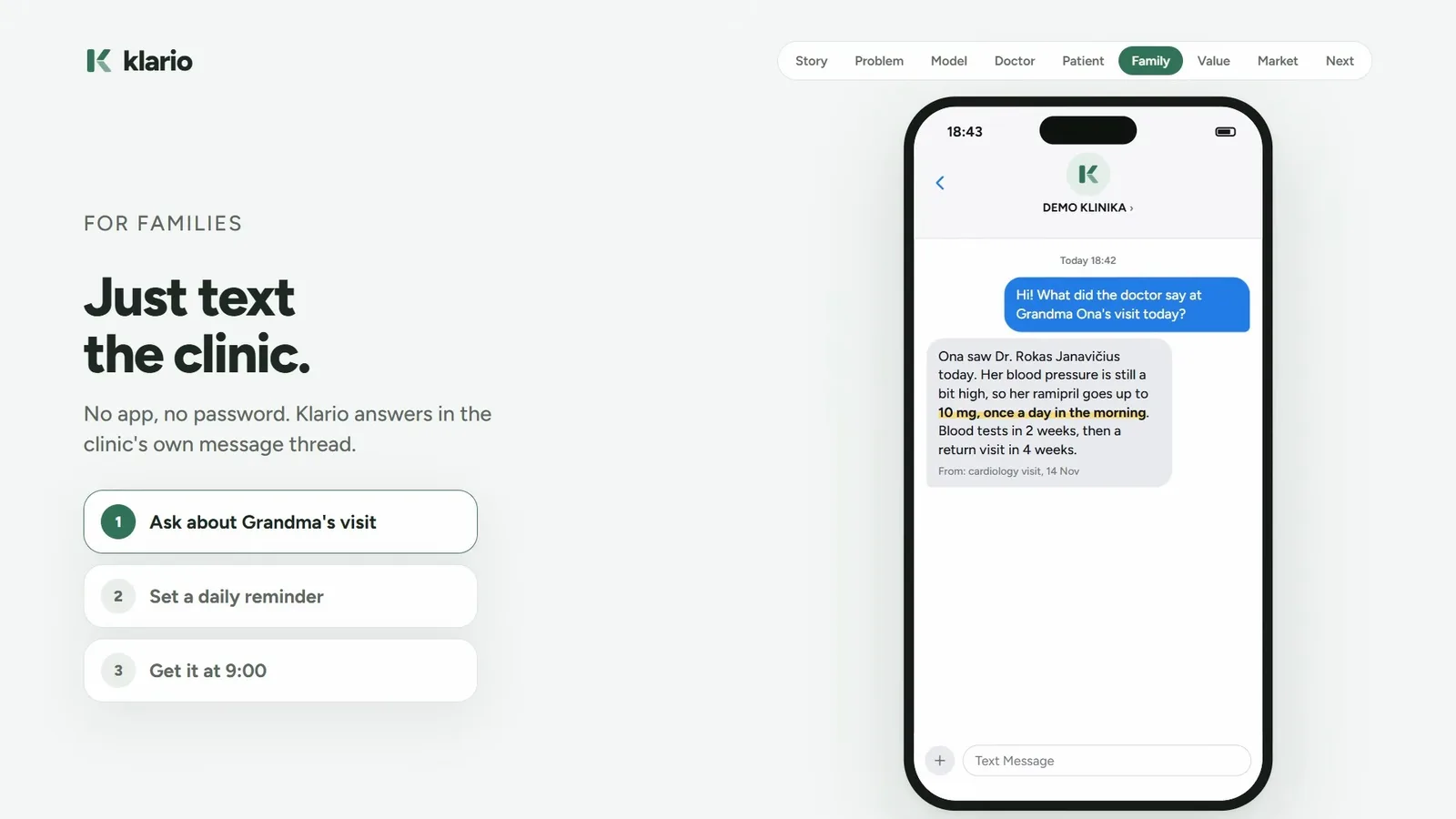
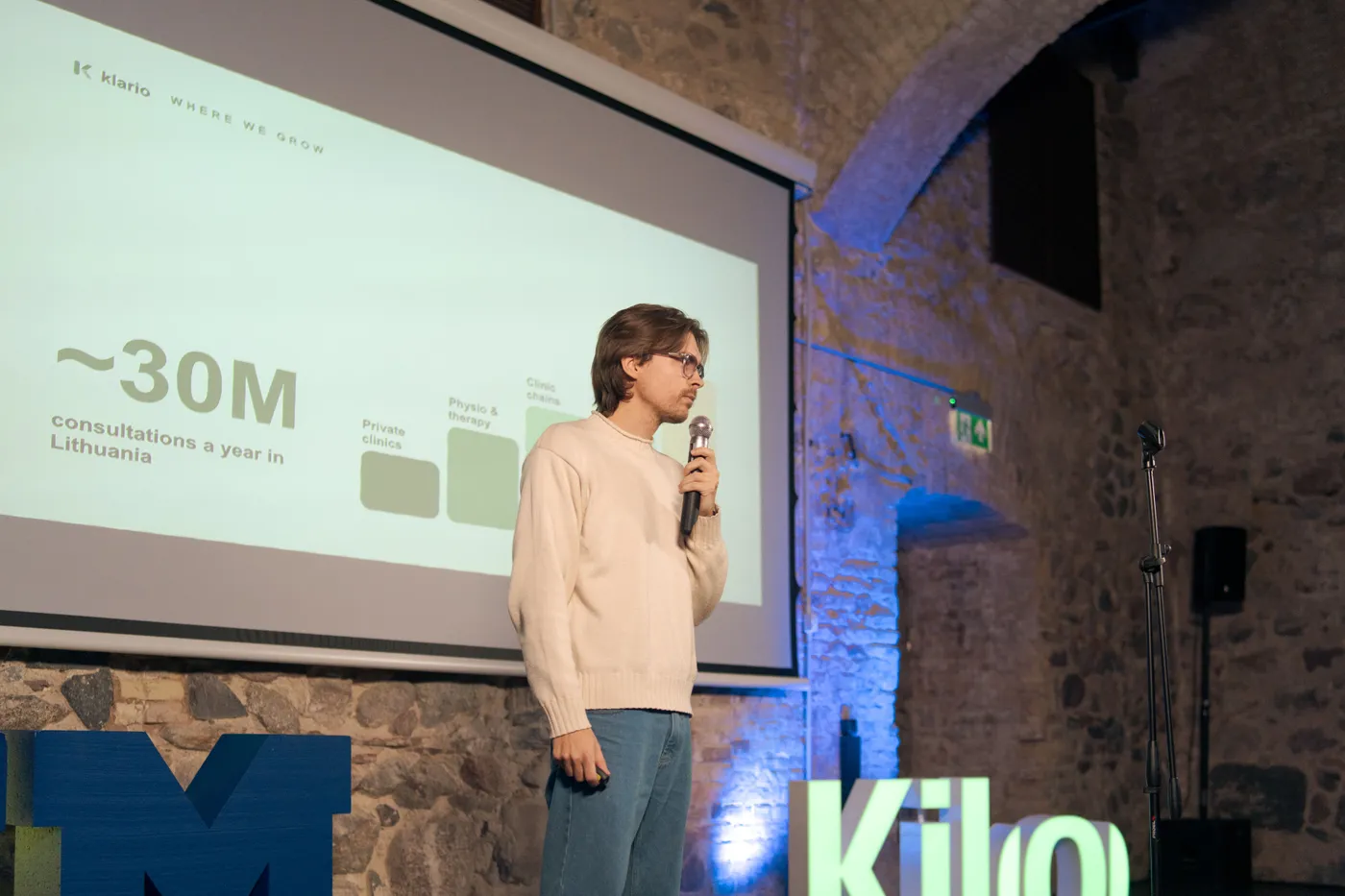
People leave the doctor’s office and forget what they were told. One pill or two? When is the blood test? Klario records the visit. The patient and their family get a summary in plain words, reminders and a QR code to share their history with another doctor. The doctor gets a transcript and a draft of the record for e.sveikata, so the paperwork is mostly done before the next patient walks in. Next up: pilots with small private clinics in Lithuania.
Studerik
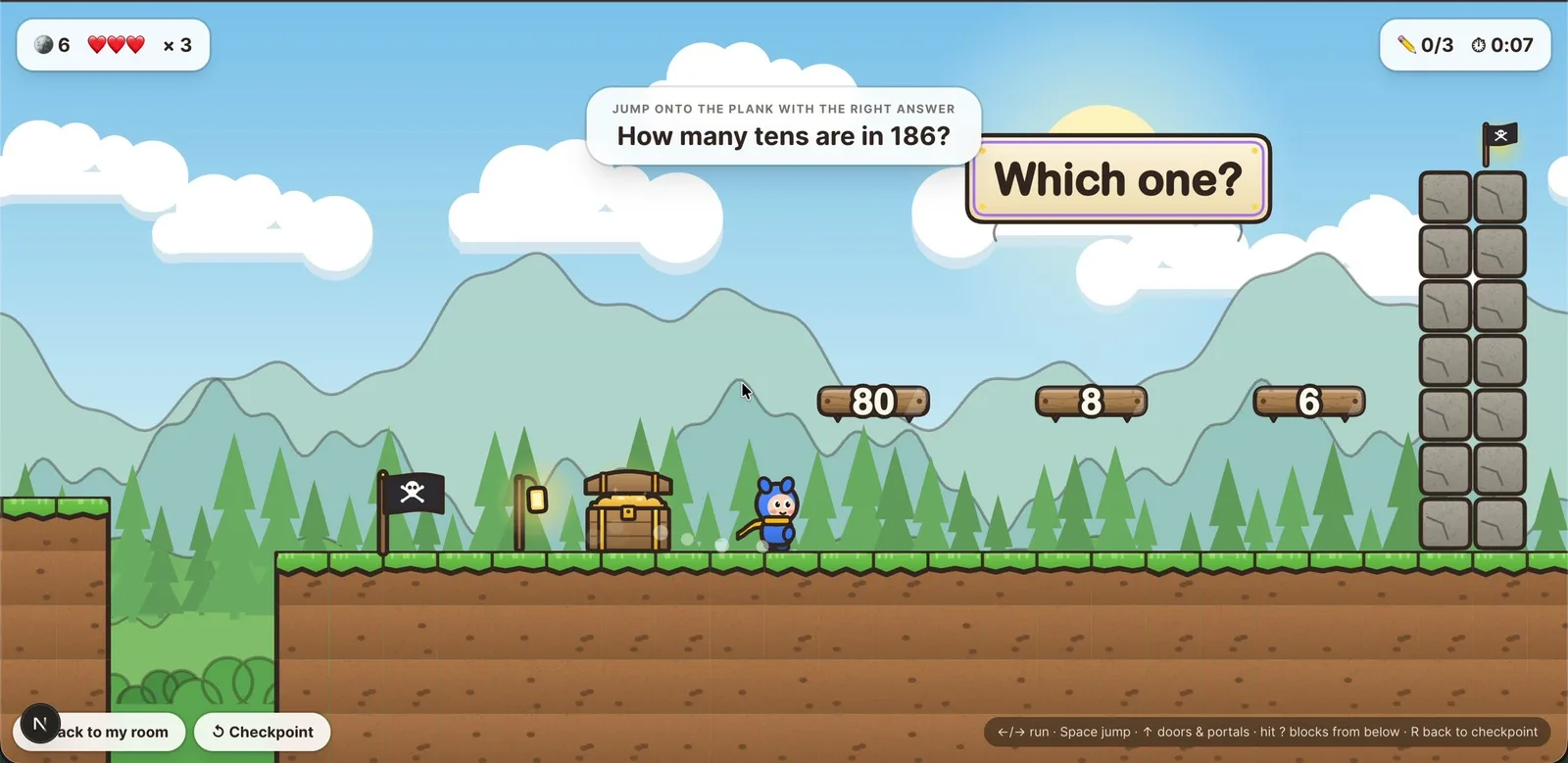
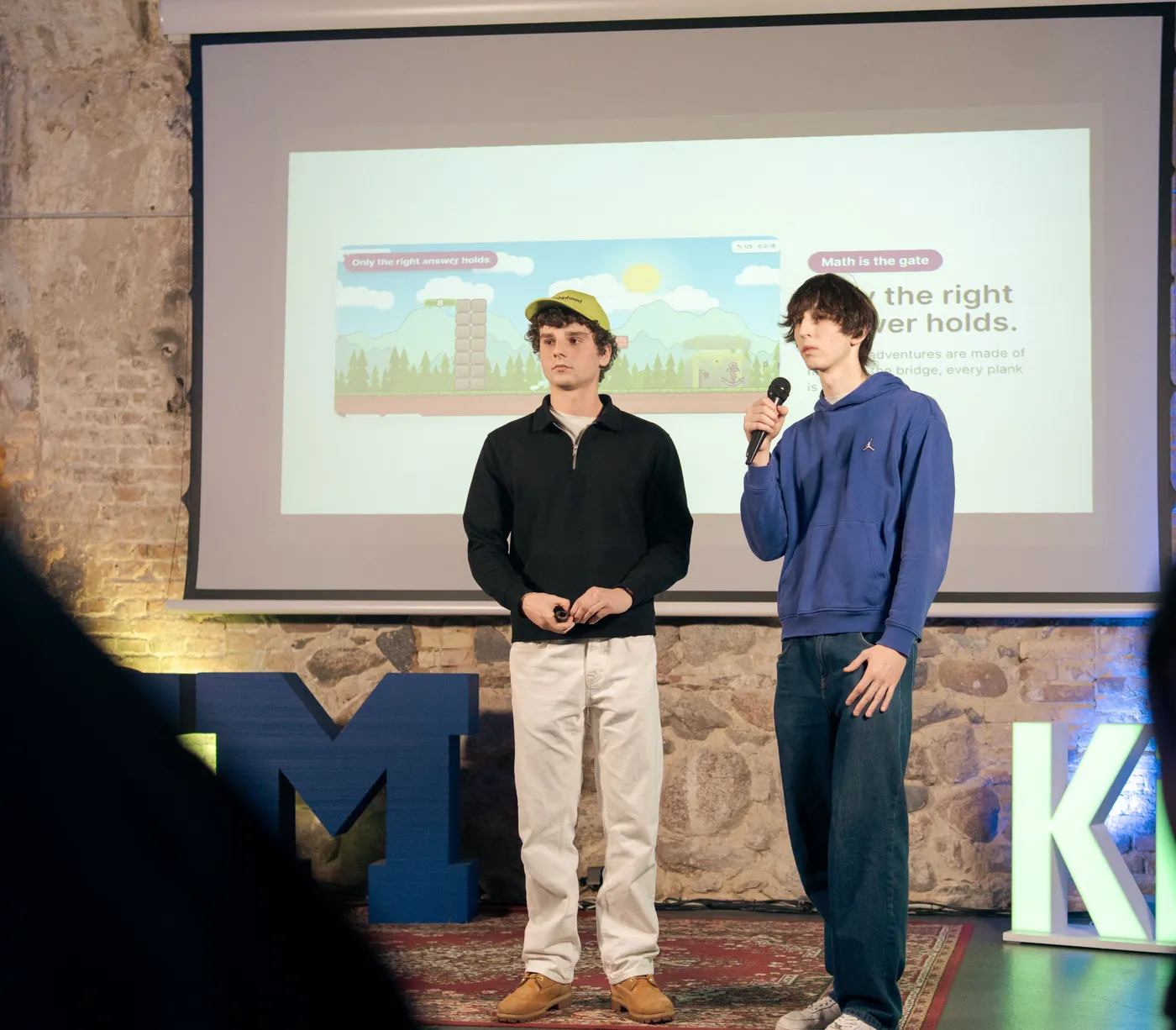
A kid picks what they love, and Studerik builds them their own game world in seconds. Lessons happen inside it: right answers earn coins, coins grow the world and unlock the story. The hard part was making every world playable in seconds while keeping the maths always correct. What they learned: “Kids care about their own story far more than points.”
omer
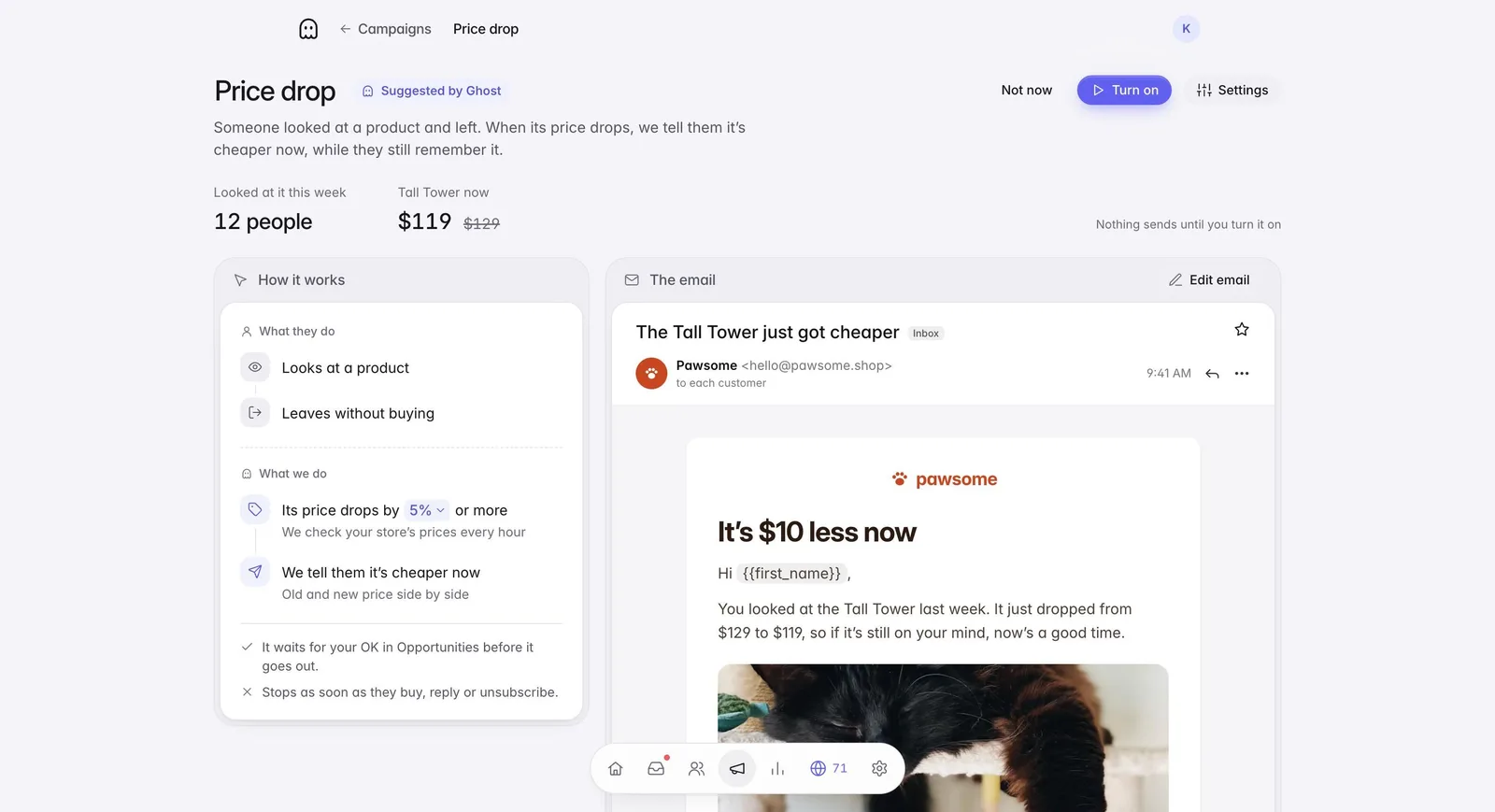
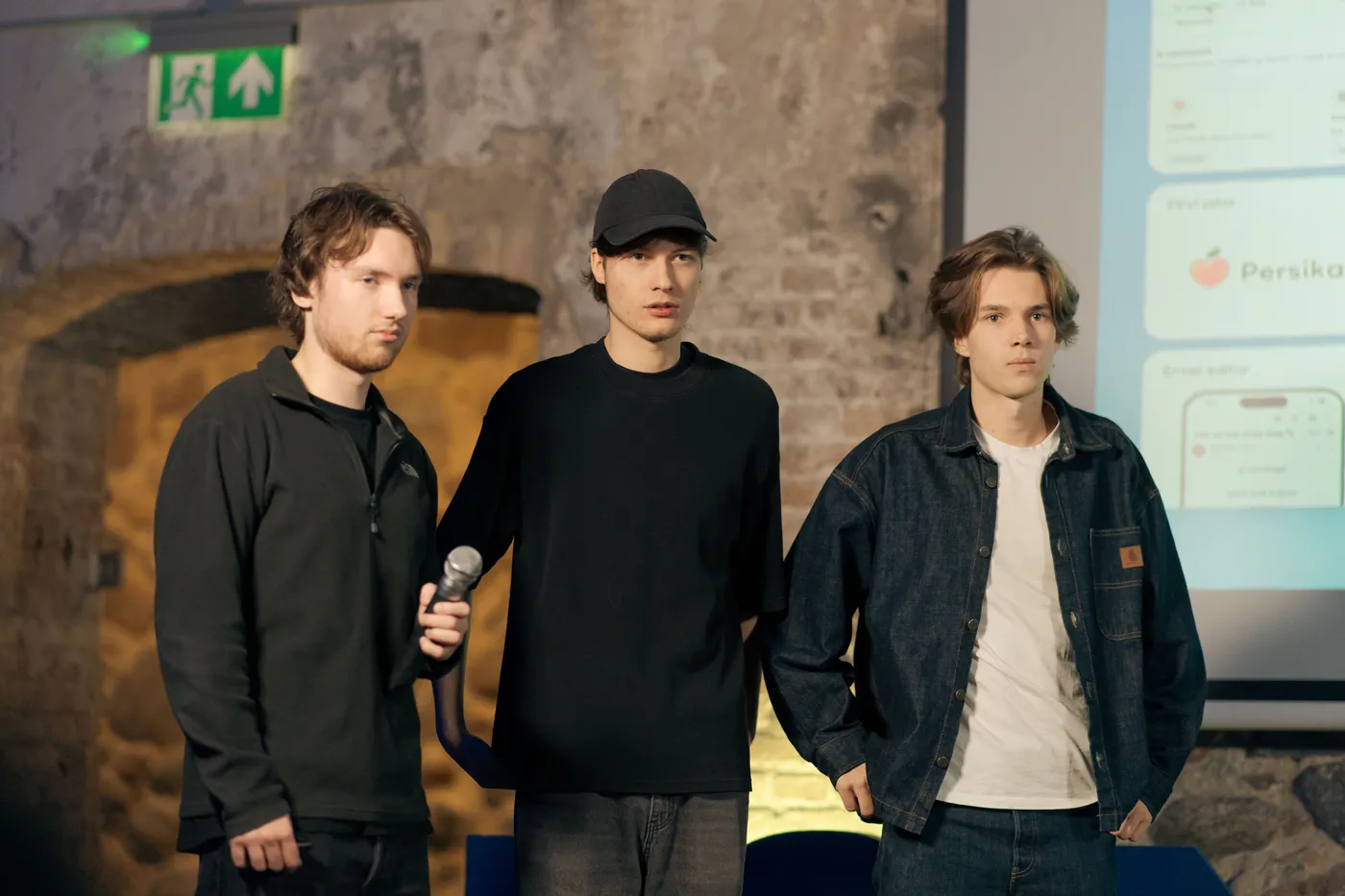
98% of visitors leave an online store without buying, and almost nobody has time to watch why. omer reads each visit (the cart, the discount codes, the session replay), works out why that shopper left and emails them the answer in the store’s own brand. They ran a pilot on 500 customers’ data from the Lithuanian store Persikas.com and submitted their Shopify app. “Stores don’t lack data,” they wrote. “They lack time.”
good spread
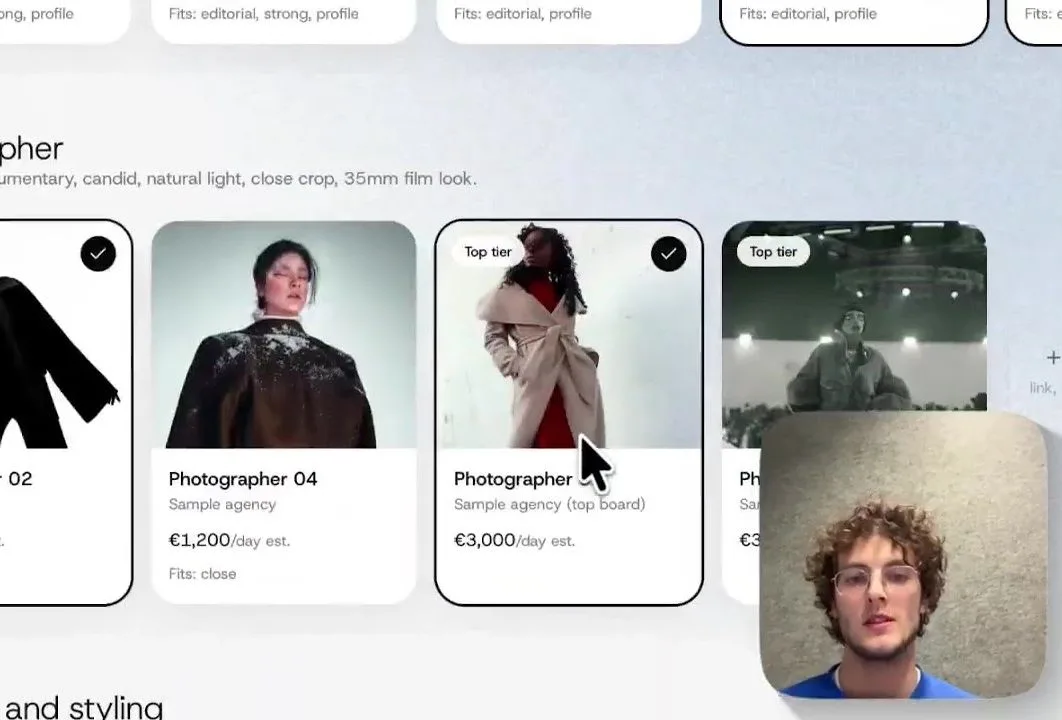
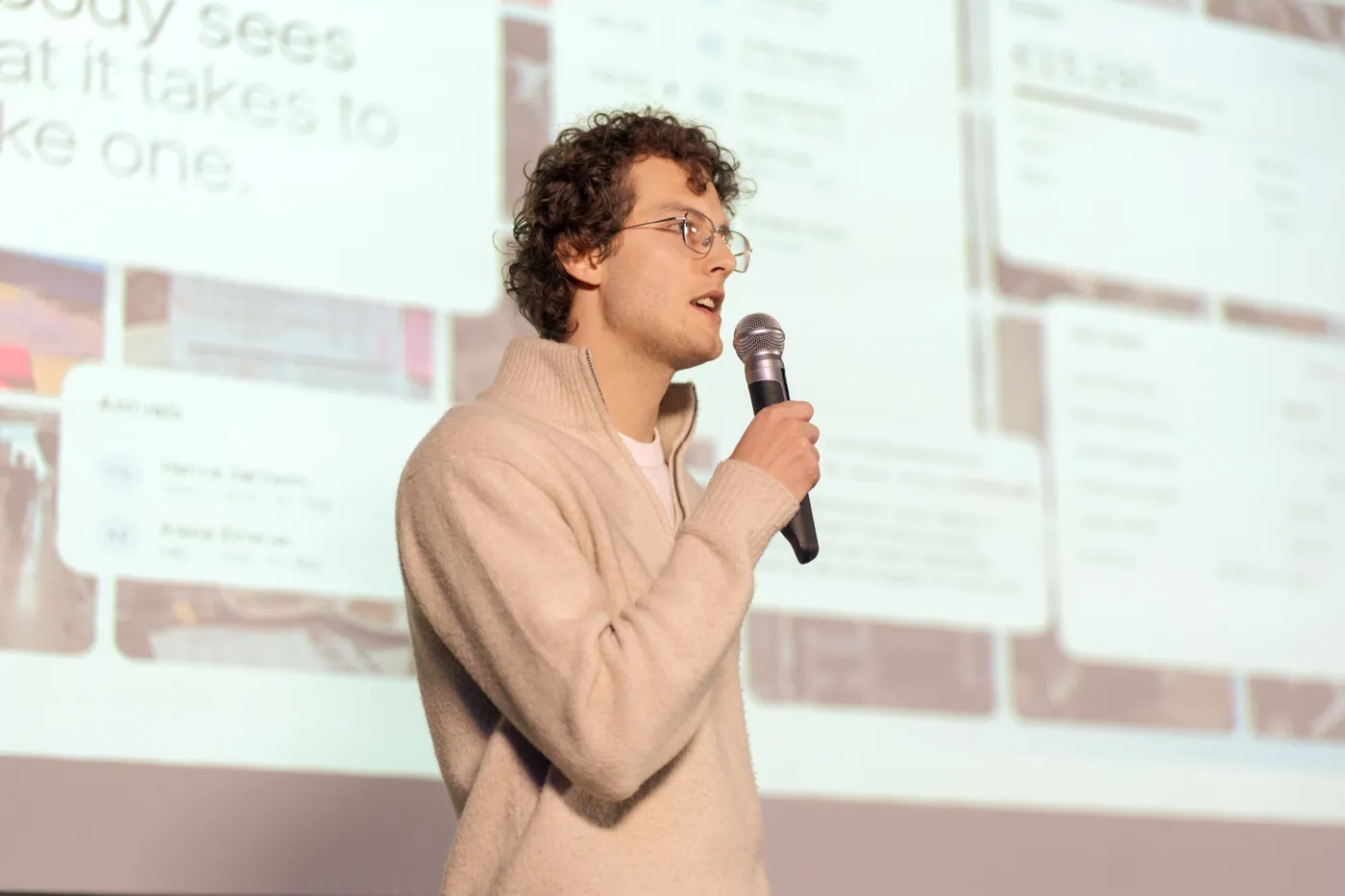
A shoot starts with a moodboard and quickly becomes a mess of models, locations, crew, schedules and budgets. good spread turns the creative references into a production plan, finds people and places, checks availability and estimates the budget. When a model drops out or a flight is delayed, it works out what that breaks and suggests what to do next. Its agents can even contact modelling agencies to ask about availability.
Onutė

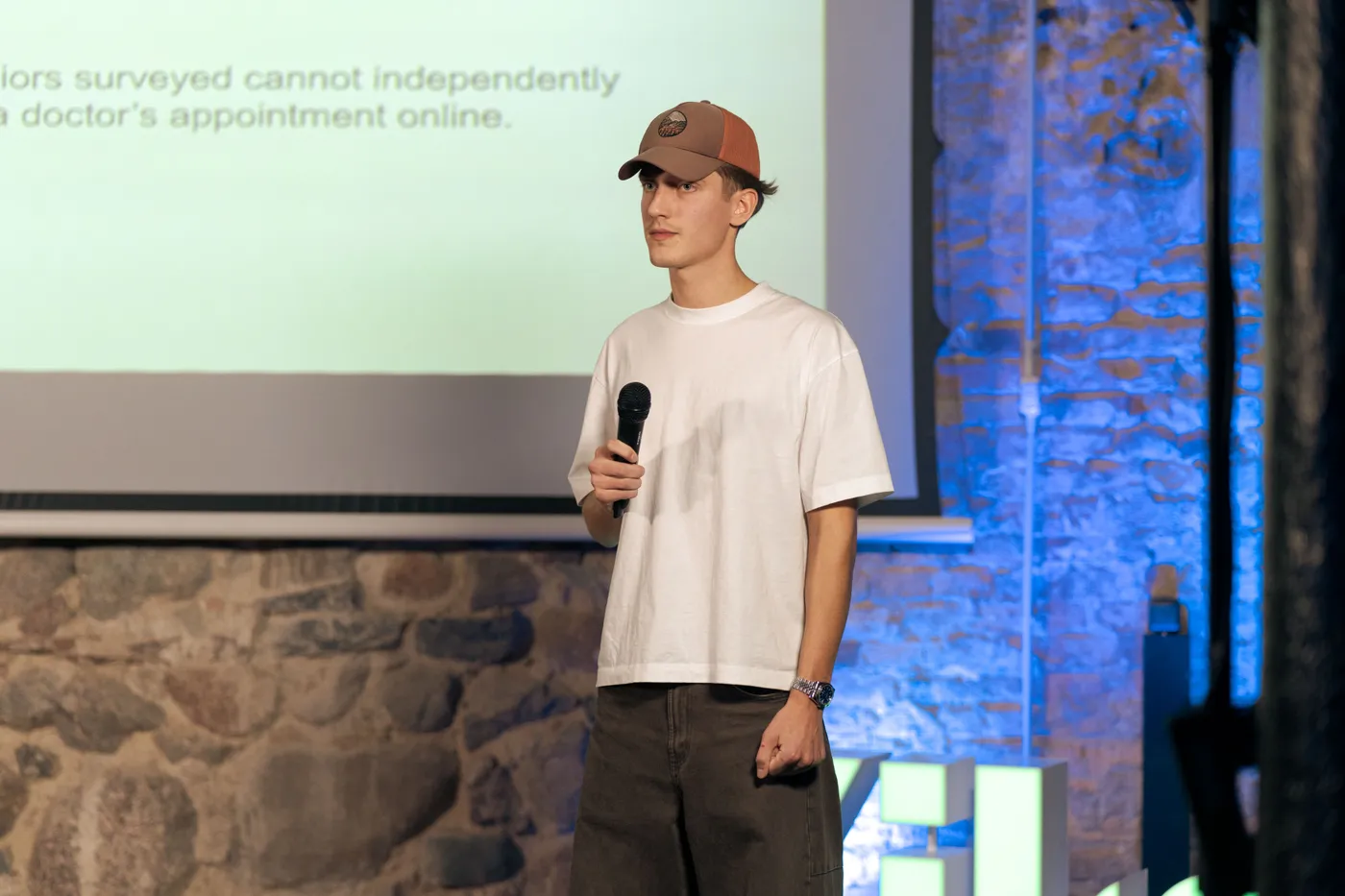
Most tools for seniors ask them to learn an app. Onutė flips that around: almost every grandmother can make a phone call. Call the number and ask about the weather, the nearest pharmacy and whether it’s open, or anything you’d otherwise search online. She answers in Lithuanian, keeps it short and warns callers about scams. One lesson from testing: Lithuania has a village called Šiauliai, so Onutė now checks the county as well as the city.
Dialess
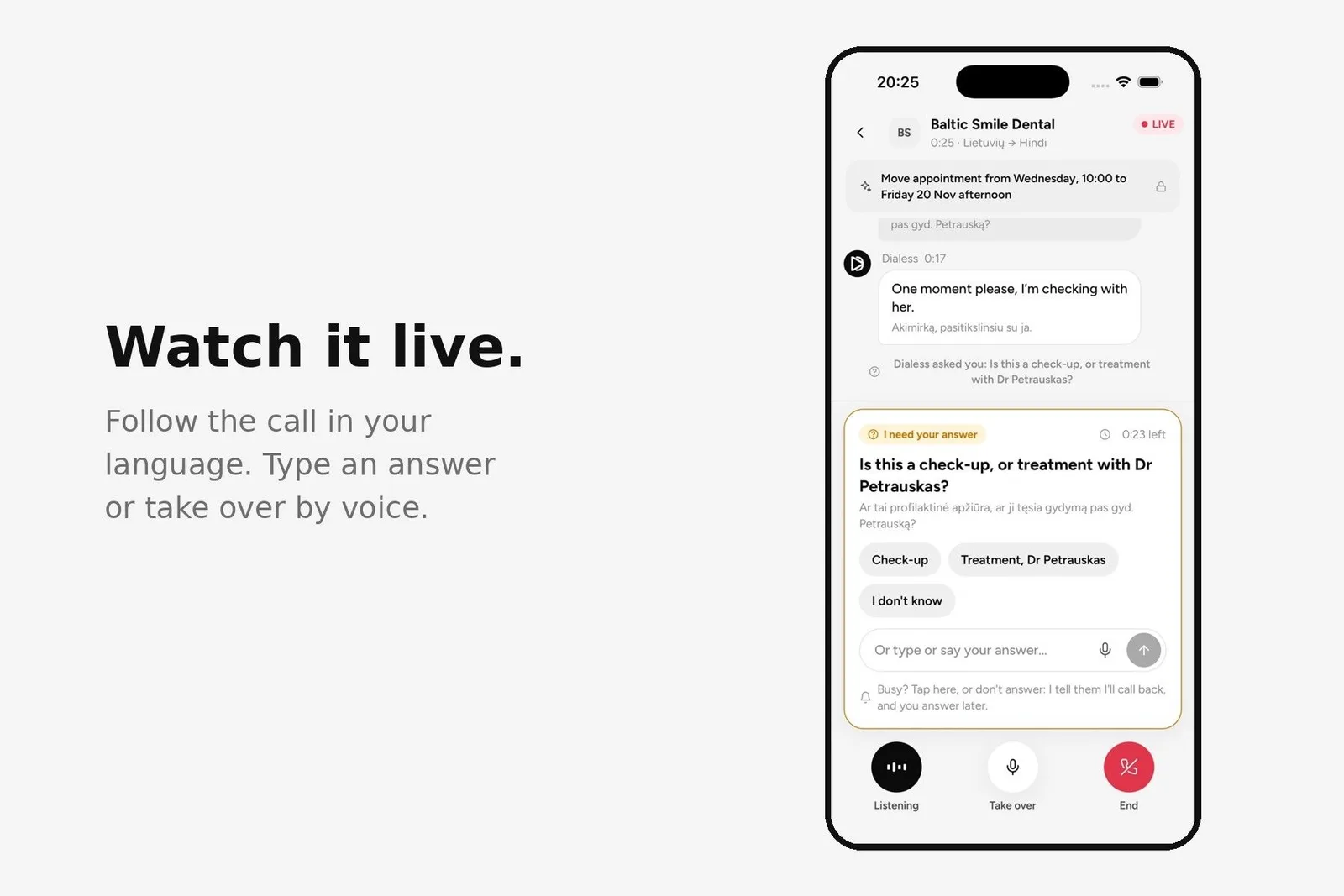
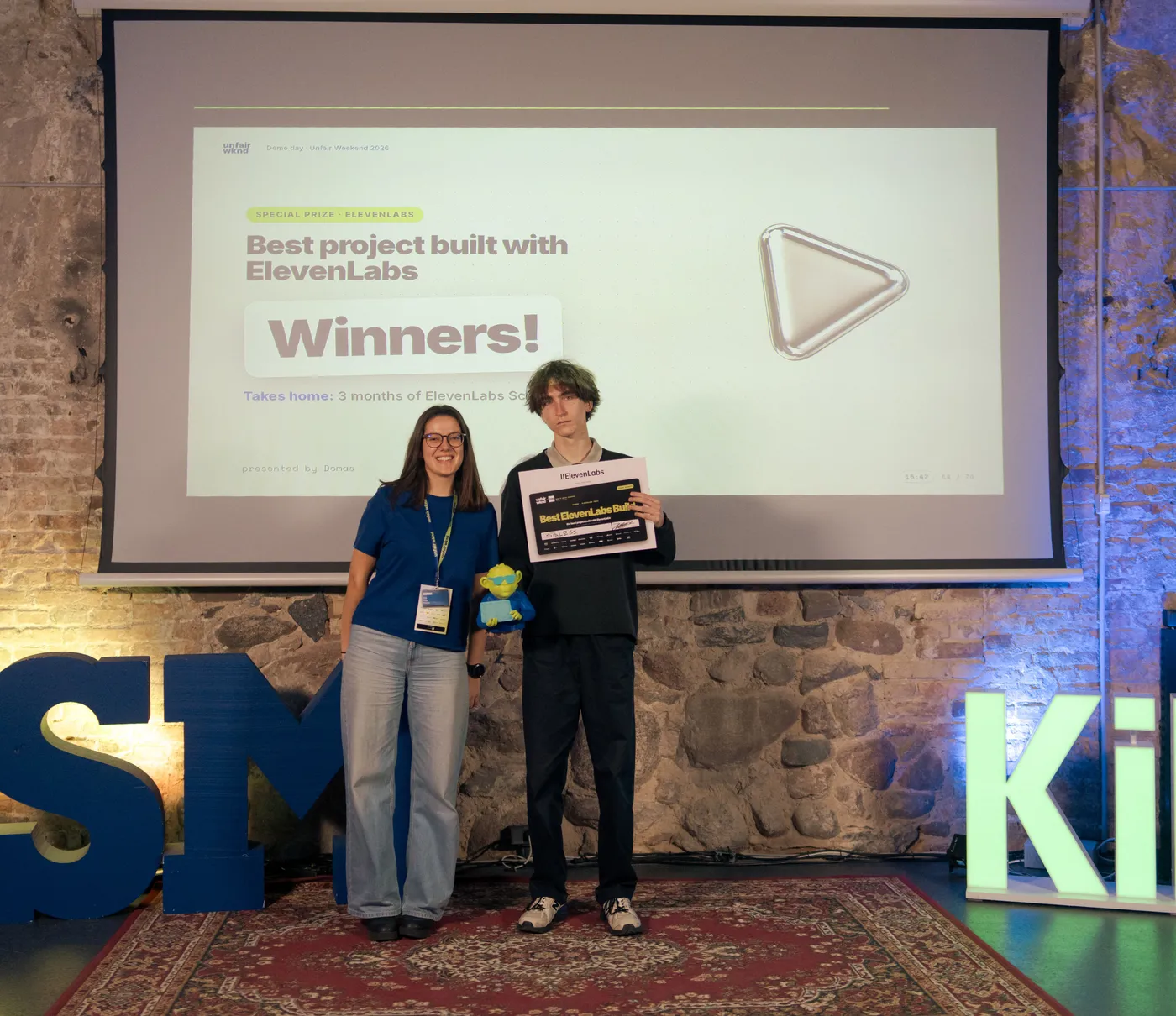
Timothée moved to Lithuania and doesn’t speak Lithuanian. Booking a dentist or ordering a pizza means a phone call he can’t make. So he built an AI that makes the call for him. You type what you need. Dialess turns it into a call card with your limits and dials only after you confirm. Its voice says it’s an AI in the first sentence and agrees only to what you allowed. It makes real calls through a web app and iPhone and Android apps, in 29 languages. He built all of it alone, in one weekend.
Oldtown Fights
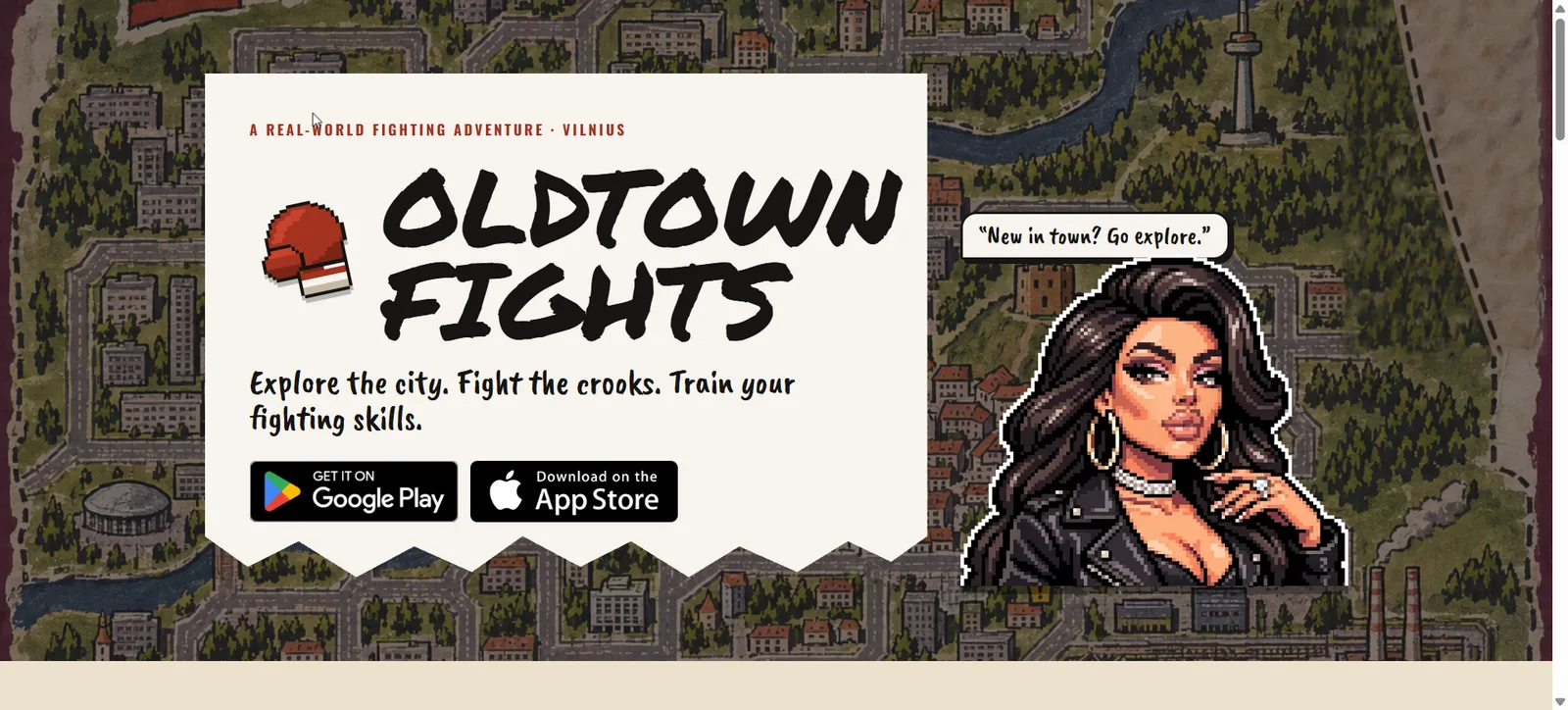
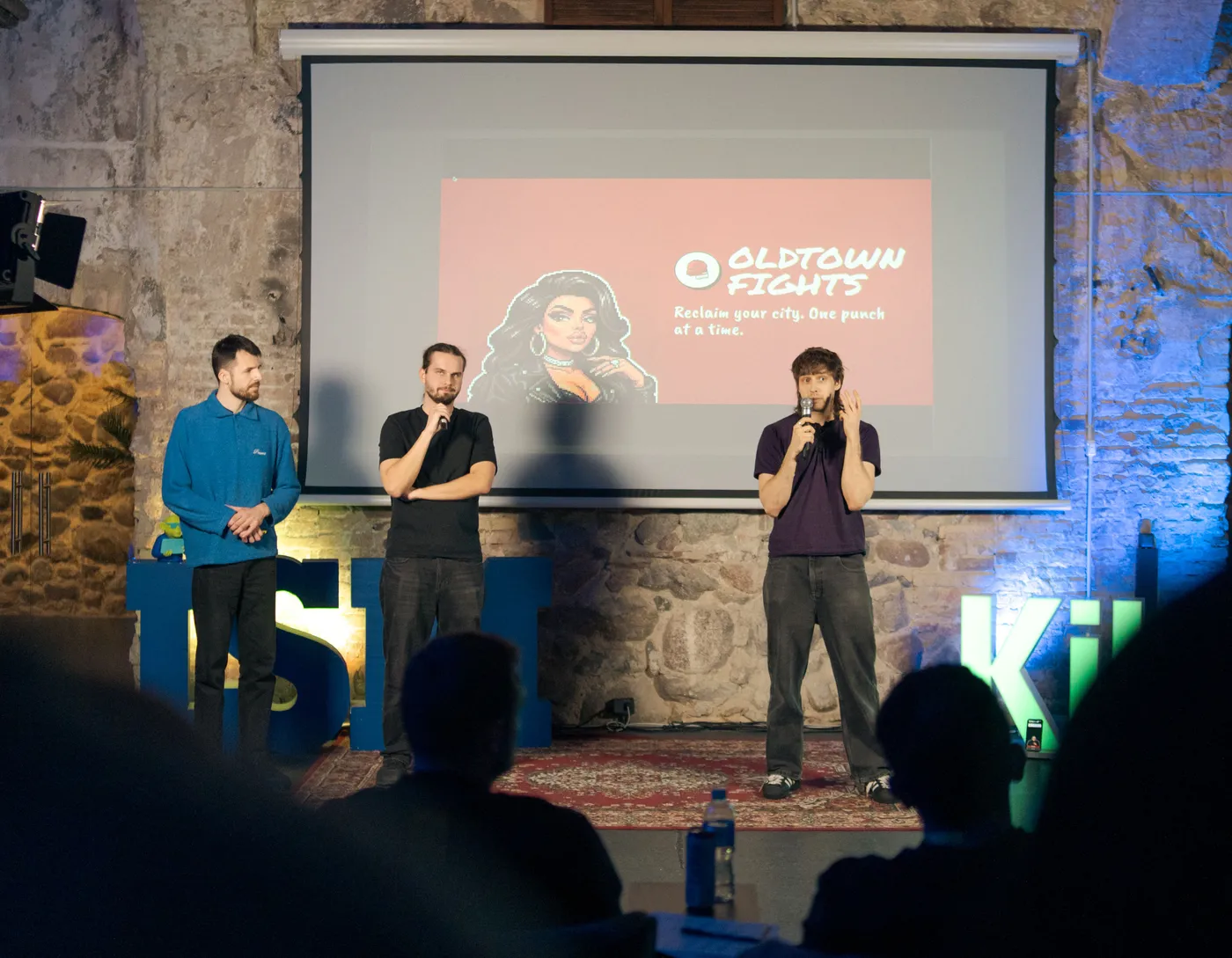
A fighting game played across the real Vilnius Old Town. Famous spots are pins on a grungy map, and a crook waits at each one. You can only fight once you’re standing there. Prop up your phone, step back and box. An AI vision model counts every real punch, so a game night is also a workout. The fastest win makes you king of the place.
The public’s five
Voting closed at the half-time break, and the public’s five pitched last. Here they are in order of votes.
Callback
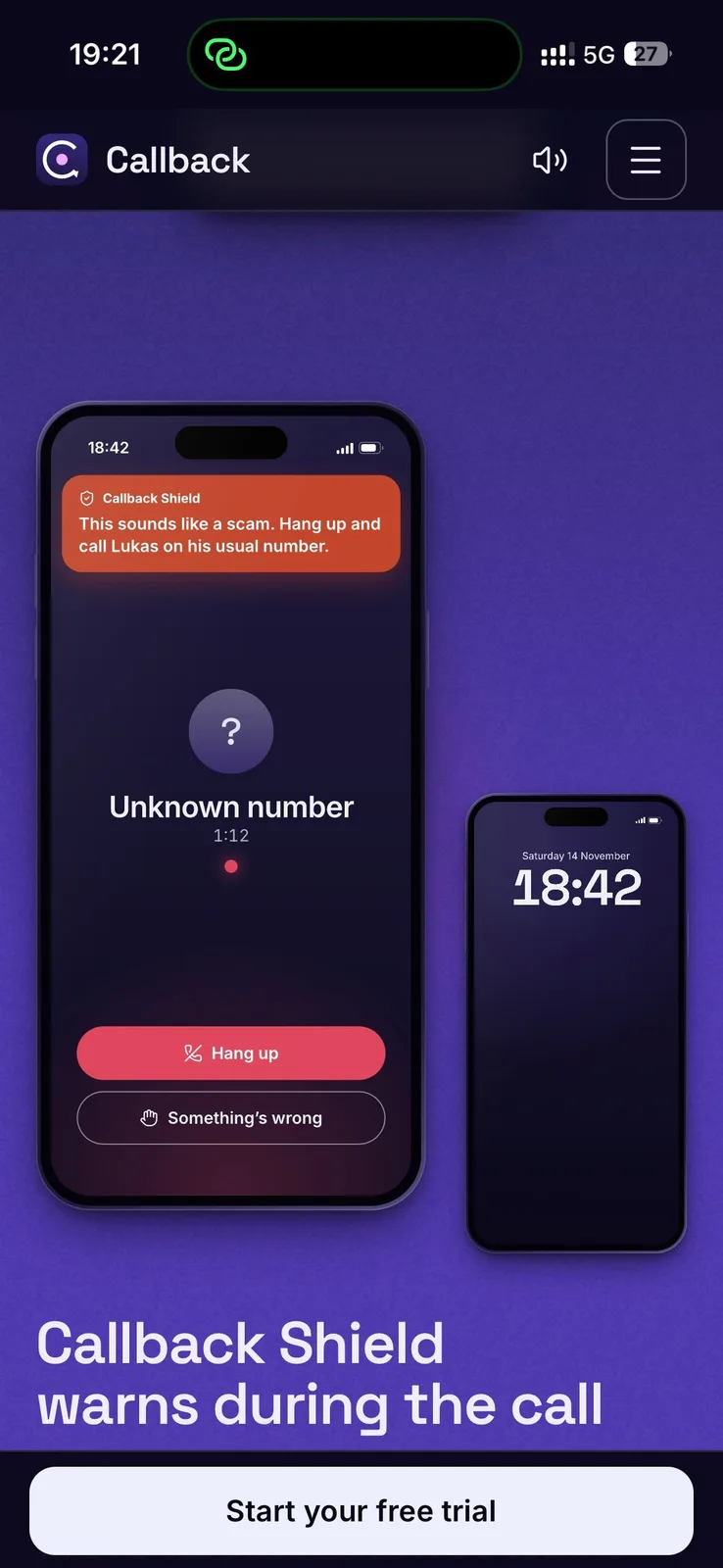
One teammate’s grandmother got a call: her grandson had been driving, hit someone and needed help right now. Her grandson doesn’t have a driver’s licence, and that one detail saved her. The next call might sound exactly like him, because a voice can now be cloned from a few seconds of audio.
Callback checks where a call really comes from and runs a live traffic light that turns yellow, then red, as the caller’s tactics pile up: a new number, urgency, secrecy, a money request. Families agree on a private word to ask for, and one tap hangs up and calls the real family member back.
Buuzle
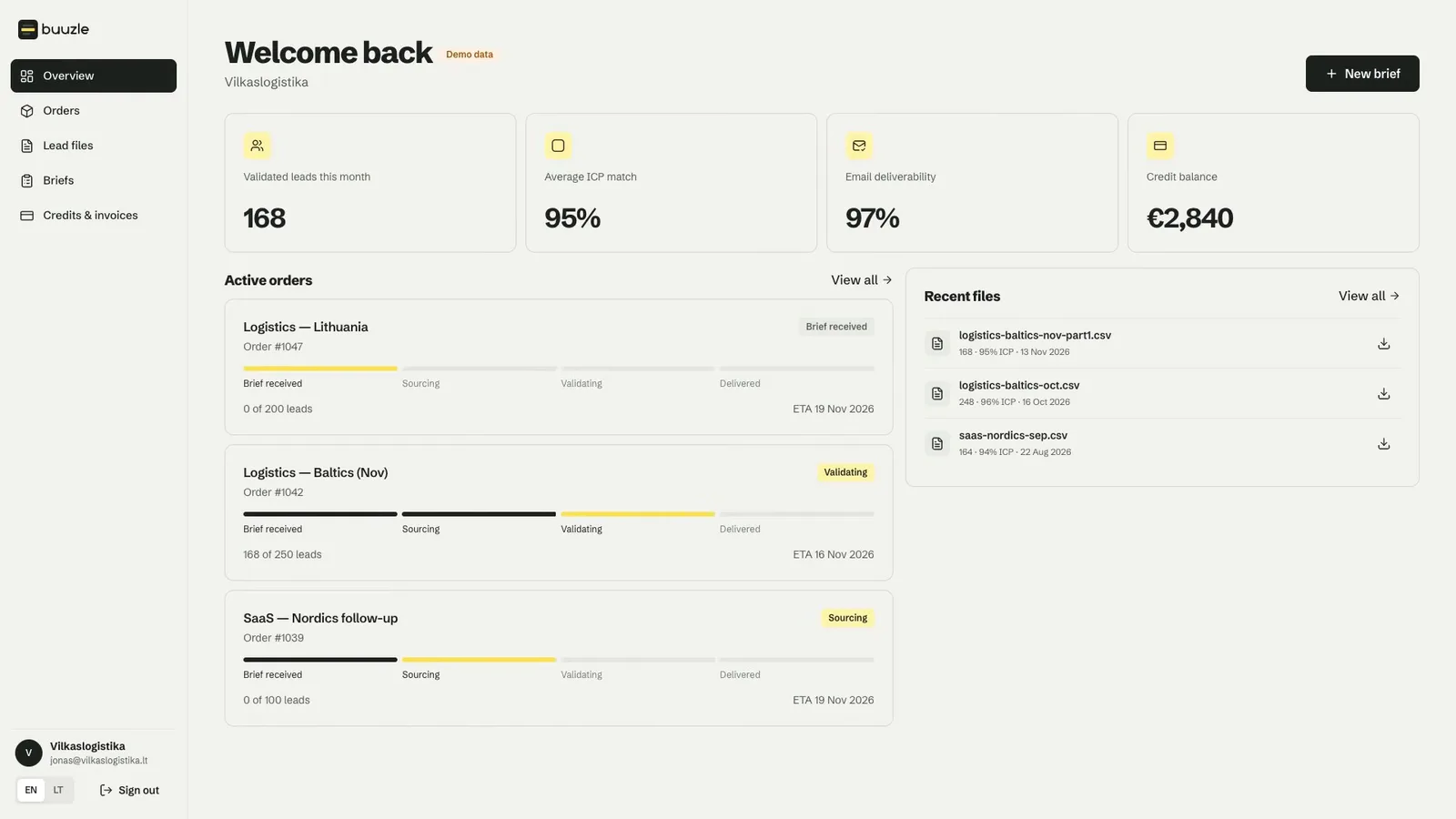
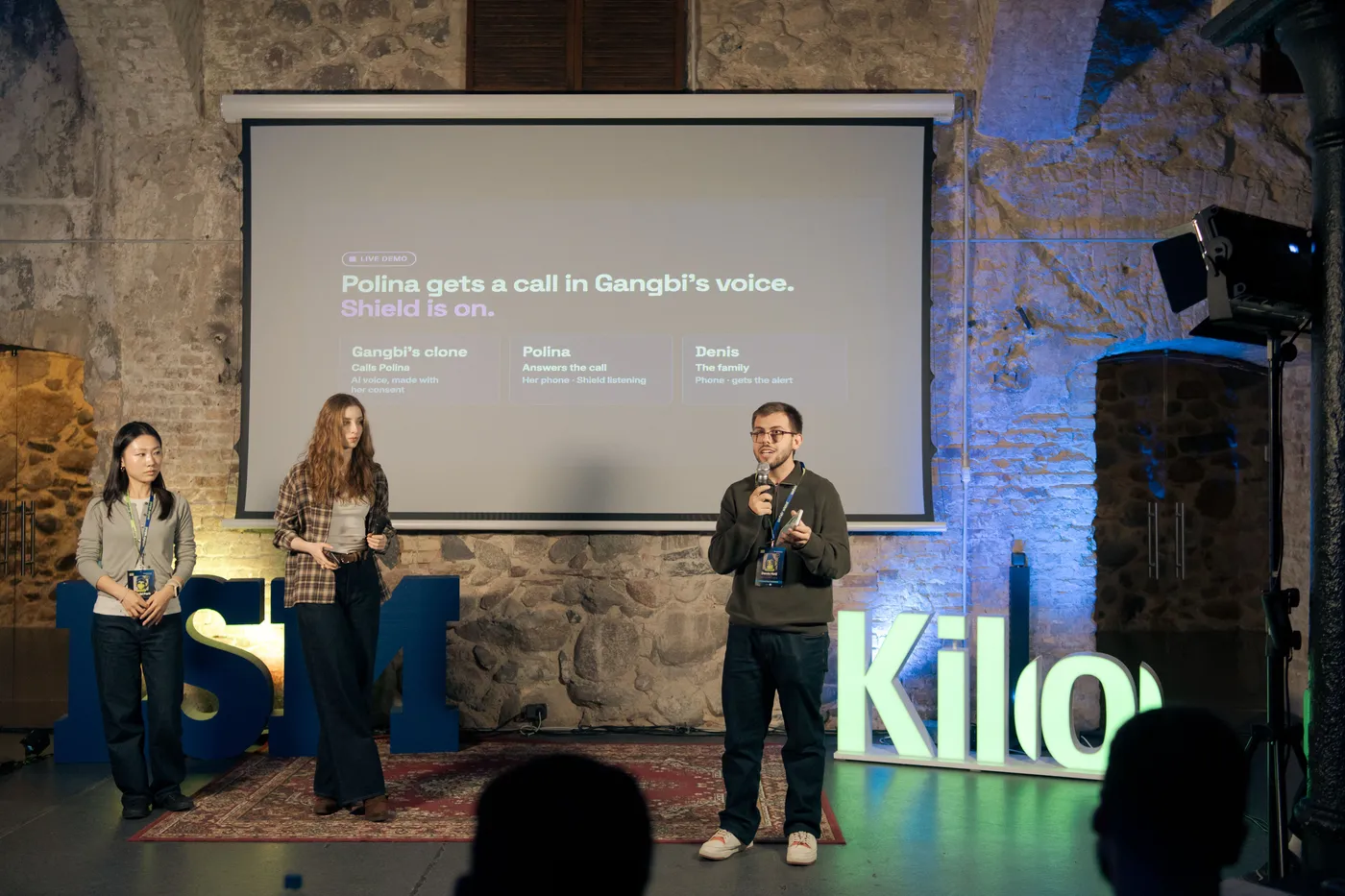
Buy 500 leads, call them, and most turn out to be the wrong fit. Buuzle flips that. Enter your website and it fills in your ideal customer profile from it. Every lead is then checked against that profile on company fit, role, buying signals, a working email, exclusions and freshness. Leads that fail are dropped and you see why. You only pay for the ones that pass.
Lookie
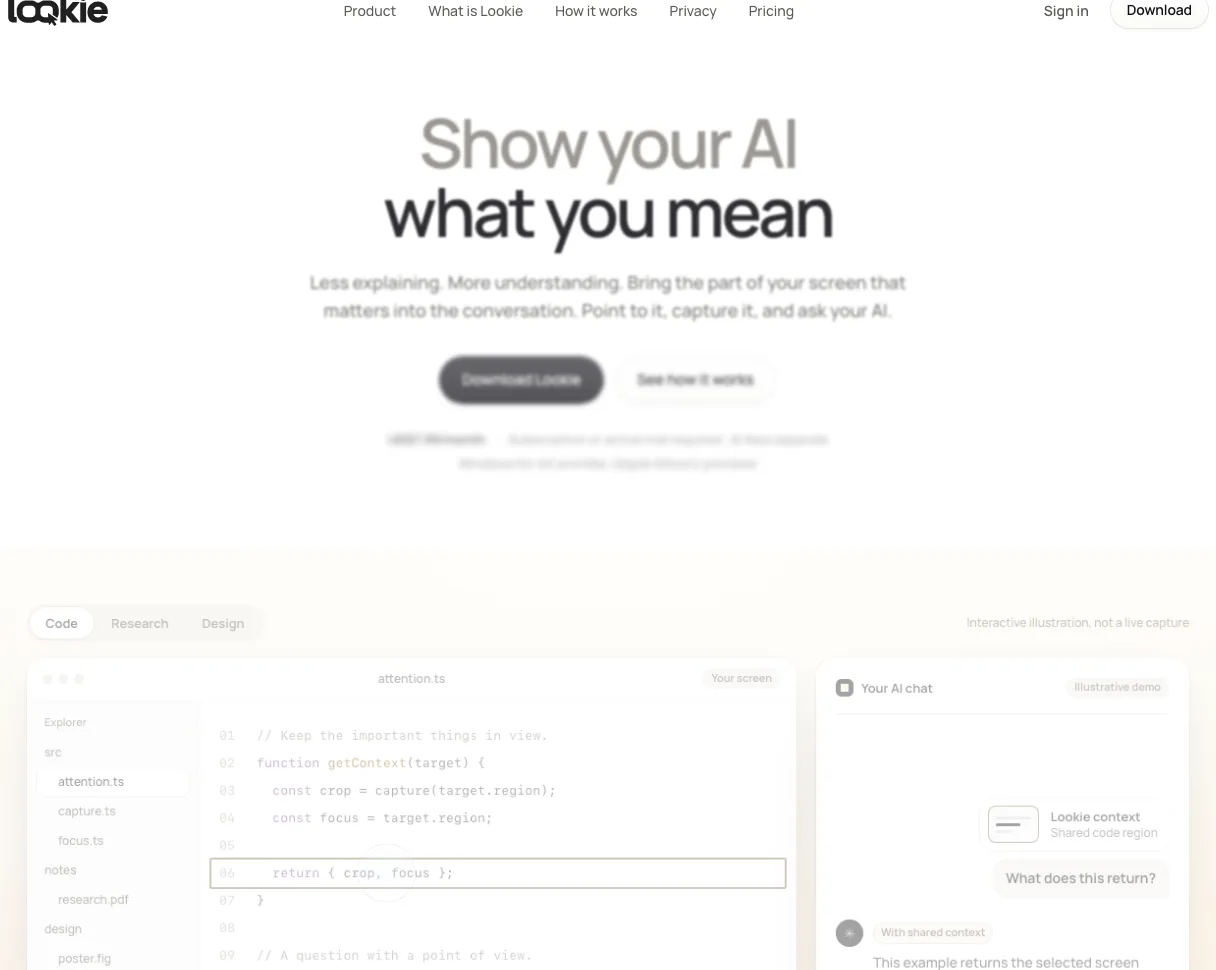
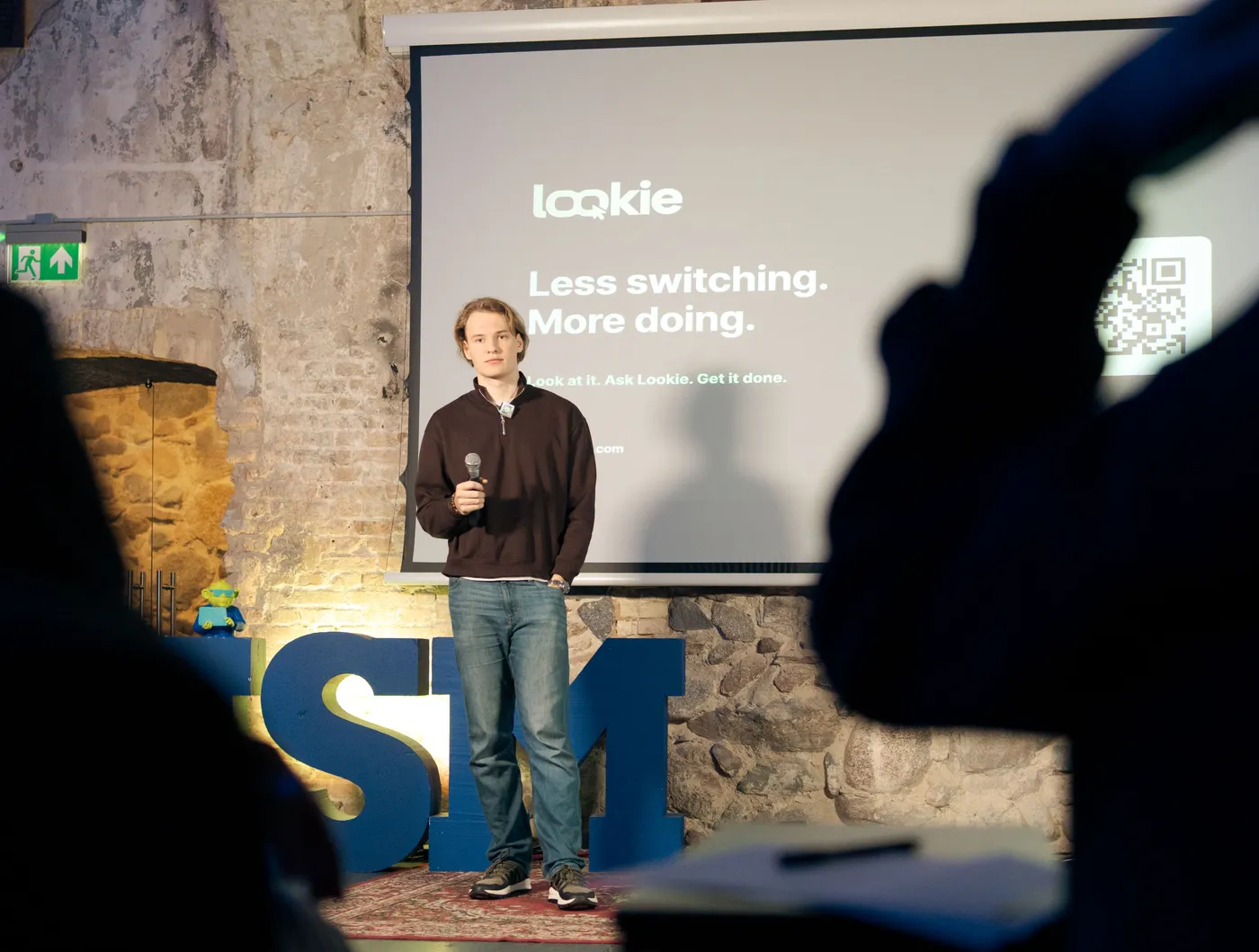
Lookie is a desktop assistant that knows what you’re looking at. A normal laptop webcam follows your eyes. Hold a key, say “fix this”, and Lookie answers about the exact chart, line of code or file in front of you. It can also act: move, rename and create files, type and click, with an Allow or Deny card for every step. In one recorded run it found the right target 11 times out of 11.
Danielius and Aleksas have been here before. Last year they came second with Tailysis, a smart collar that reads a dog’s stress. This year they came back, made the final again and won a basedspace lunch.
Dealow
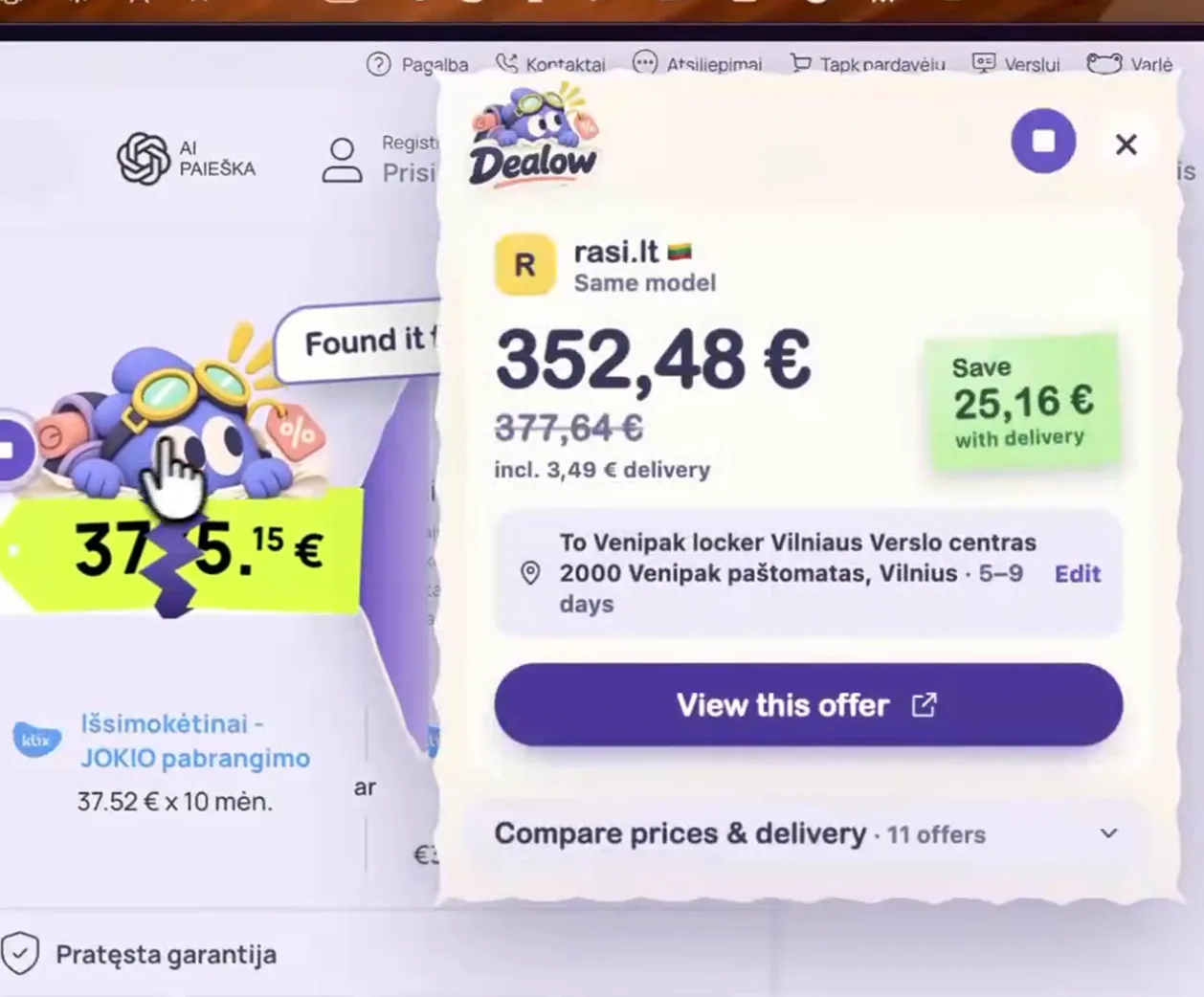
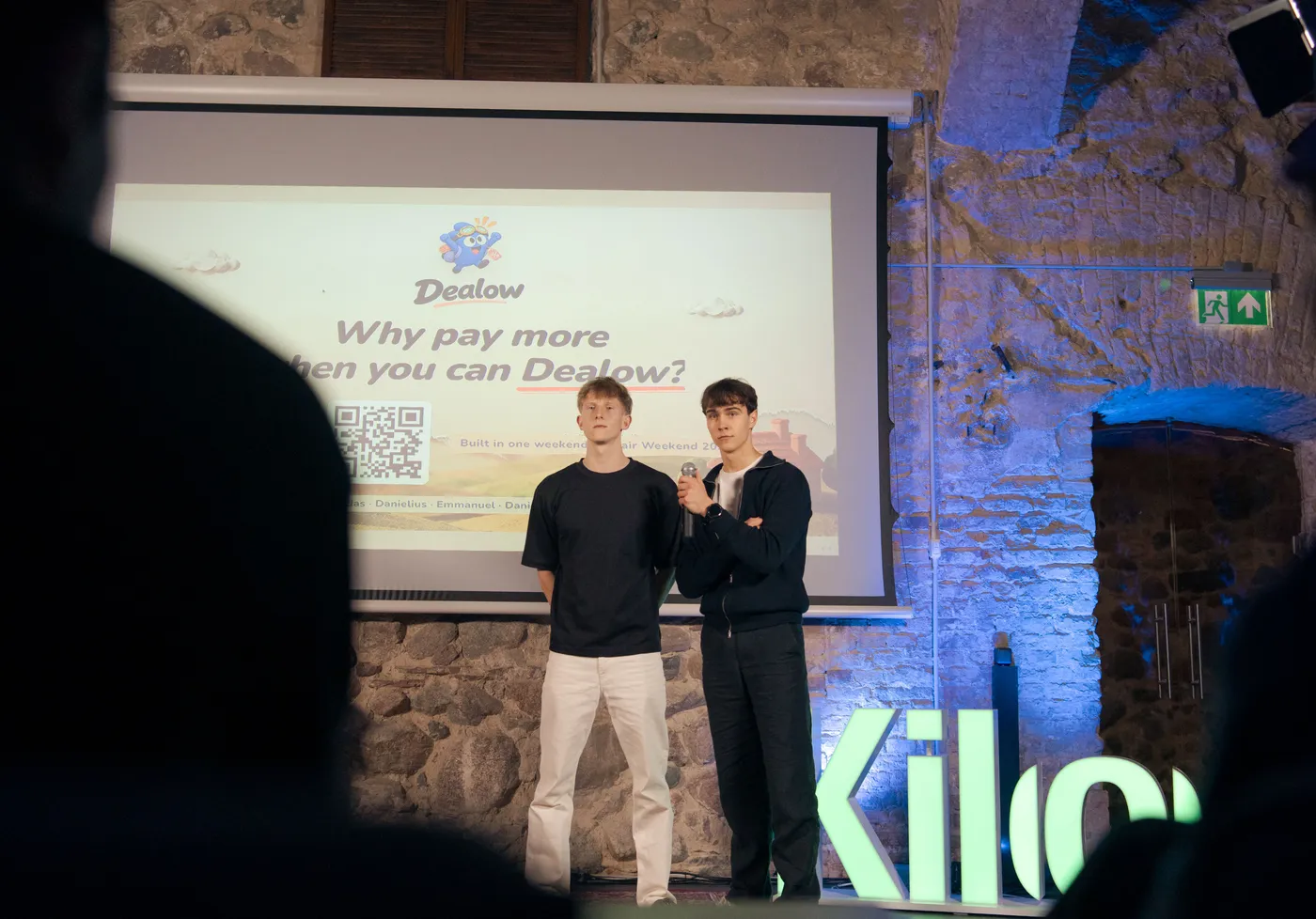
A browser extension that sits next to you while you shop. On a product page it finds the same item in other European stores, compares the final price with delivery to your city and tells you if you’re about to overpay. You can also ask it whether something is worth buying at all.
Explorer
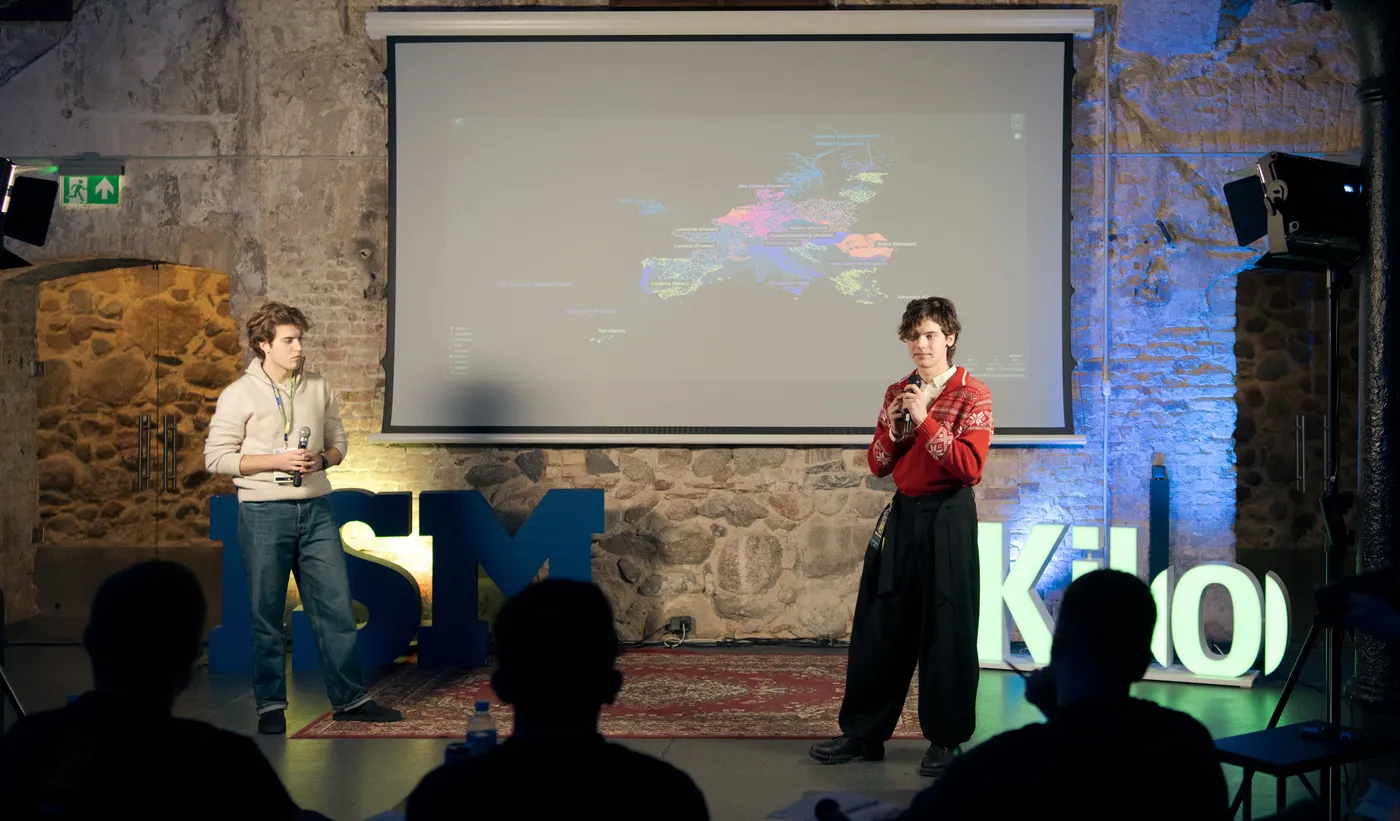
Most travel sites plan A to B and back. Explorer plans A to B to C to D and home again, searching public transport across Europe for the cheapest closed loop. In a weekend full of AI agents, they chose plain maths instead, on purpose: a graph optimisation engine. They pulled 50 GB of raw transport data and processed it on a single laptop in under two hours.
Partner prizes

- •Founders’ dinner with Kilo Co-Found: Buddy, sourcy.live and Hopcaster. Kilo couldn’t pick just one team, so they took three.
- •Founders’ lunch at basedspace: SkillPaste, BlackGrid and Lookie.
- •ISM Founders Hub residency: Sift.
- •Best project built with ElevenLabs: Dialess.
- •Best demo by Screen Studio: Oldtown Fights.
- •Most tokens saved by condense: sourcy.live.
Four of the partner prize winners didn’t pitch on Sunday, so here they are.
Buddy
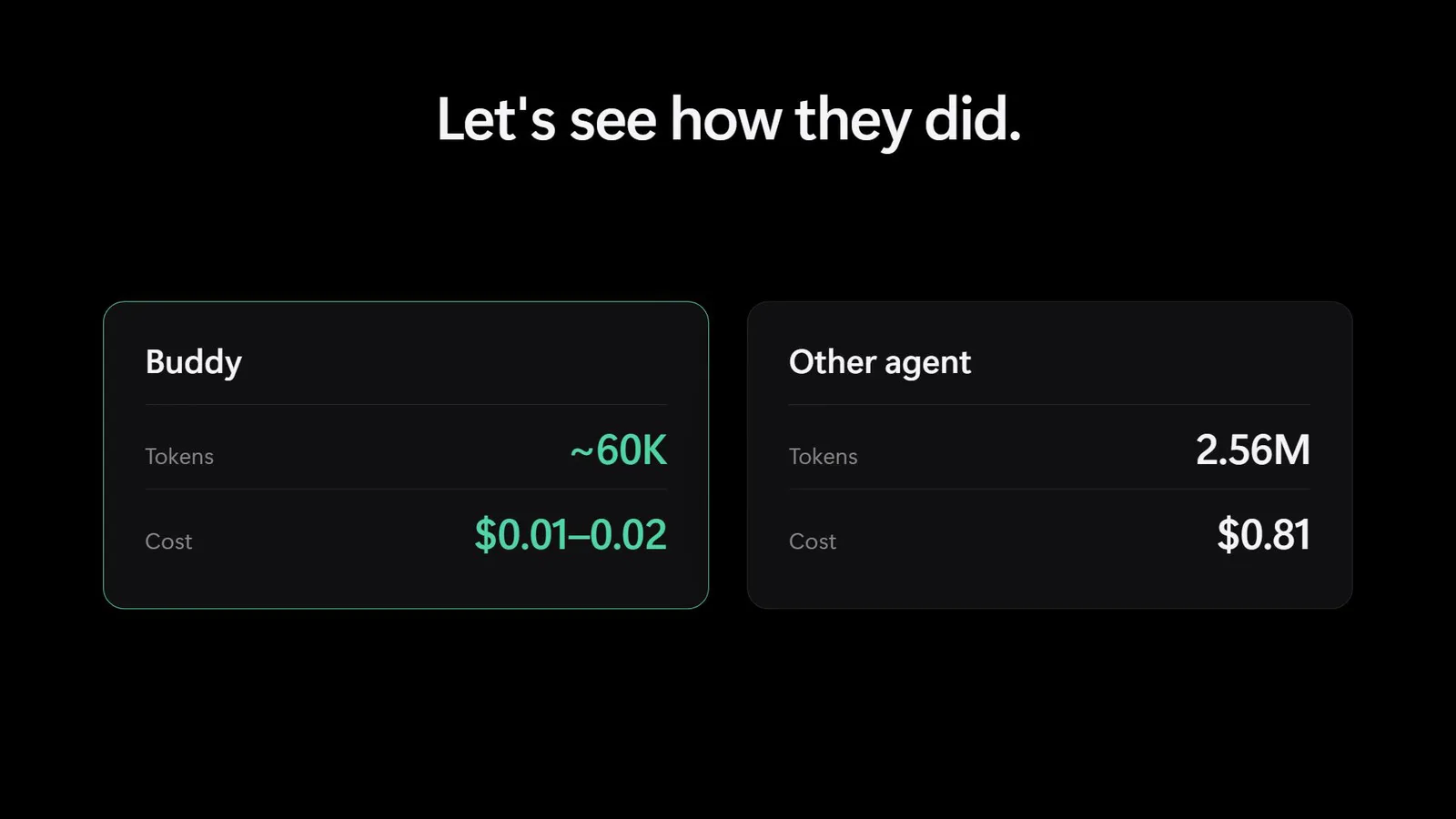
Buddy reads the Windows interface directly instead of taking screenshots and remembers workflows, so a repeated task needs no extra AI calls. In his benchmark against another agent, Buddy was 4.7× faster and used 43× fewer tokens.
Hopcaster
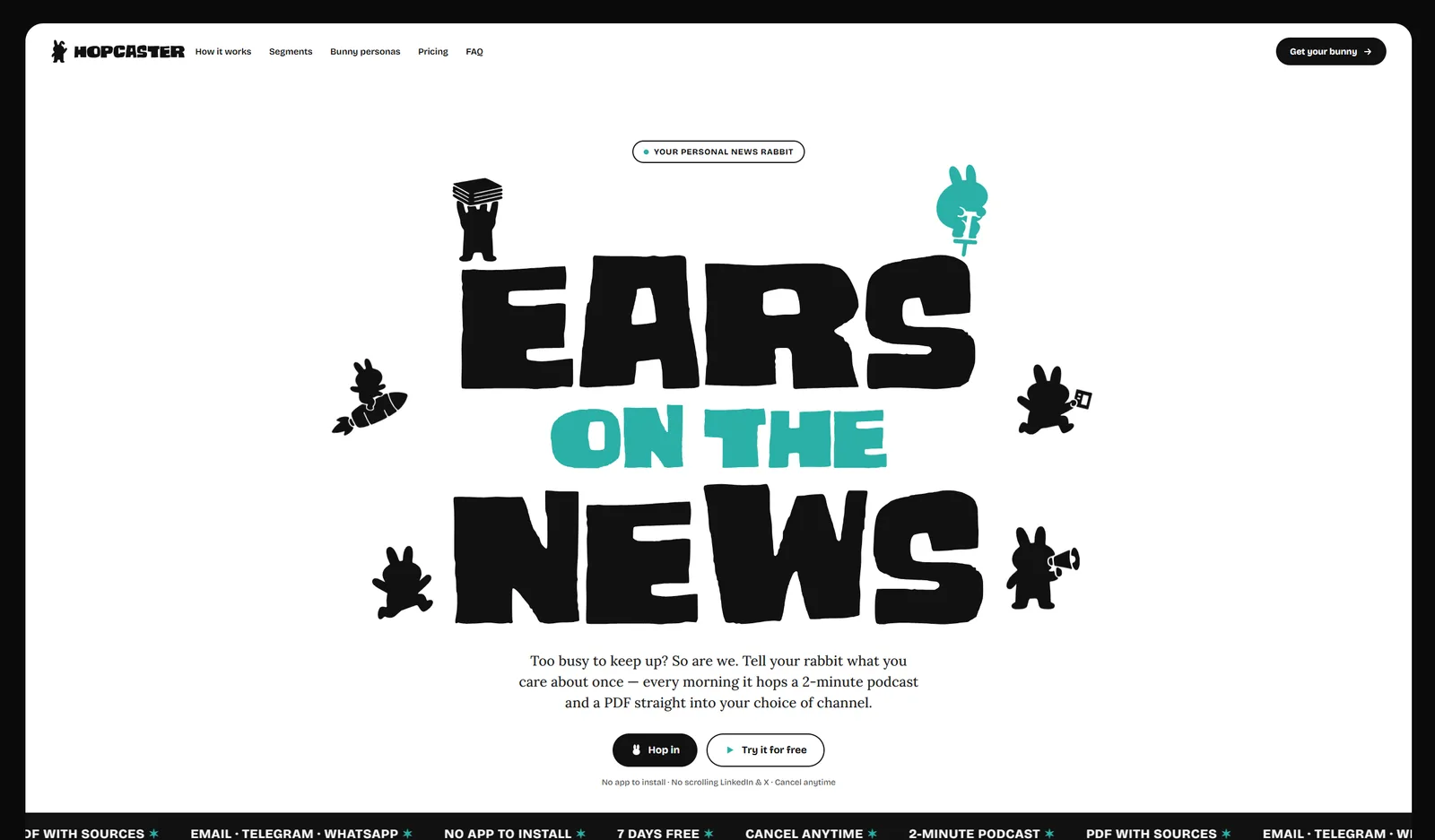
Hopcaster turns the topics you follow into a daily audio brief. One of four bunny presenters reads it: GenZ, Neutral, Professional or Gossip. It arrives by email, Telegram or WhatsApp, with no app to install.
SkillPaste
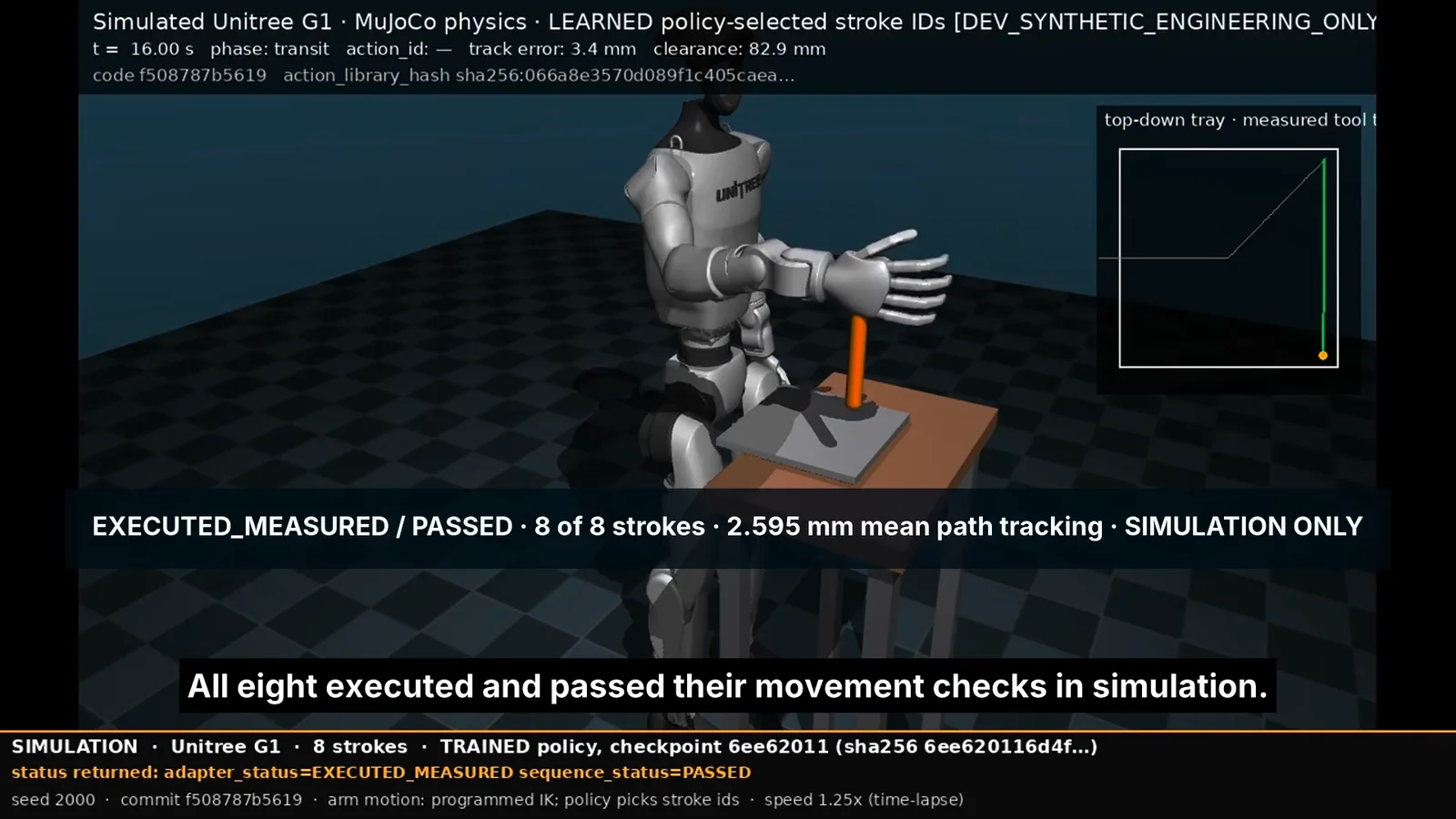
They came down from Tallinn, and two of the three are still in high school. SkillPaste turns a construction worker’s demonstrated task into a robot skill, and they taught a simulated Unitree G1 humanoid to mix cement. They also fine-tuned NVIDIA’s GR00T robot model. It scored 0 out of 20, and they published that result instead of hiding it.
Sift
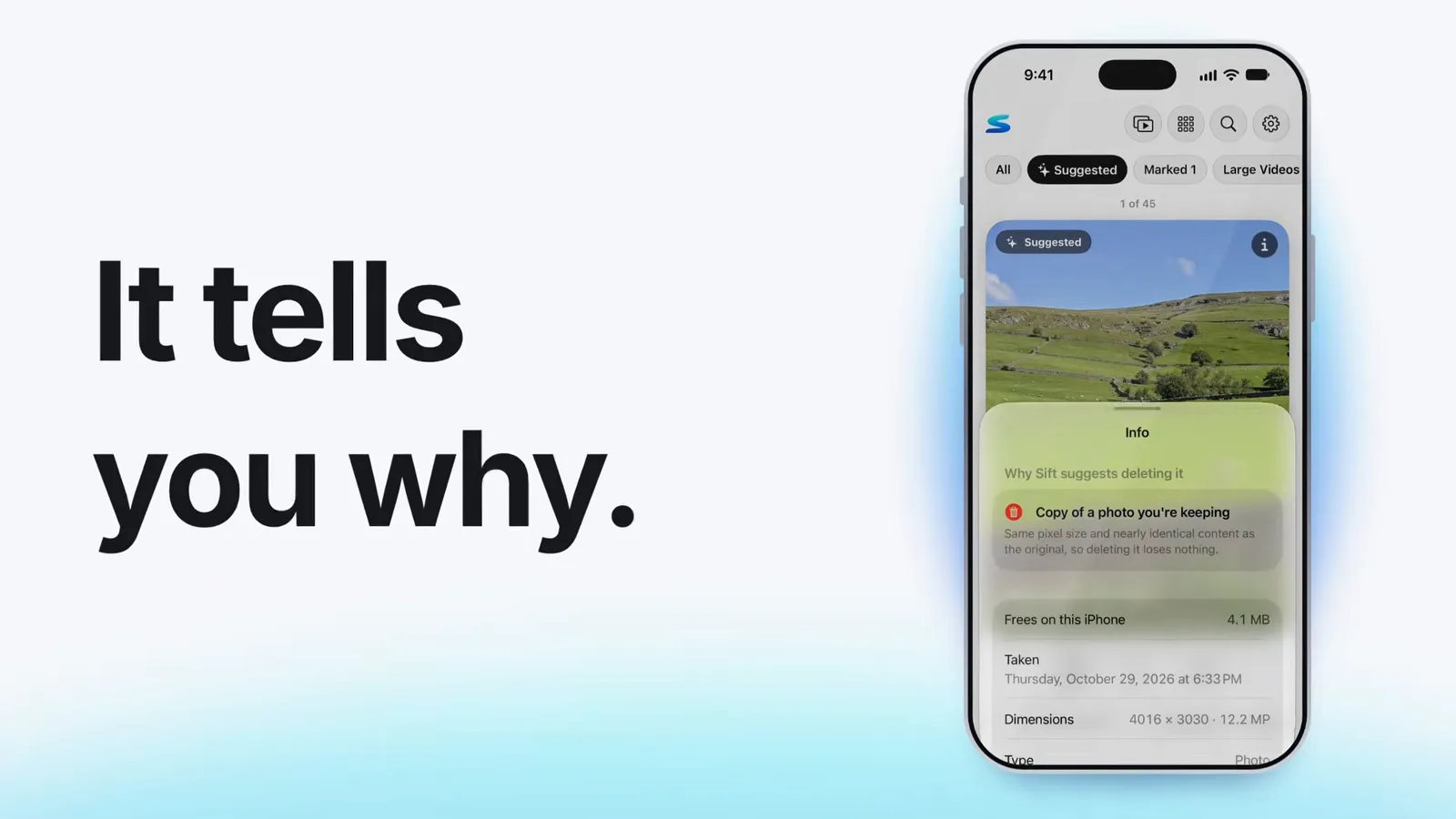
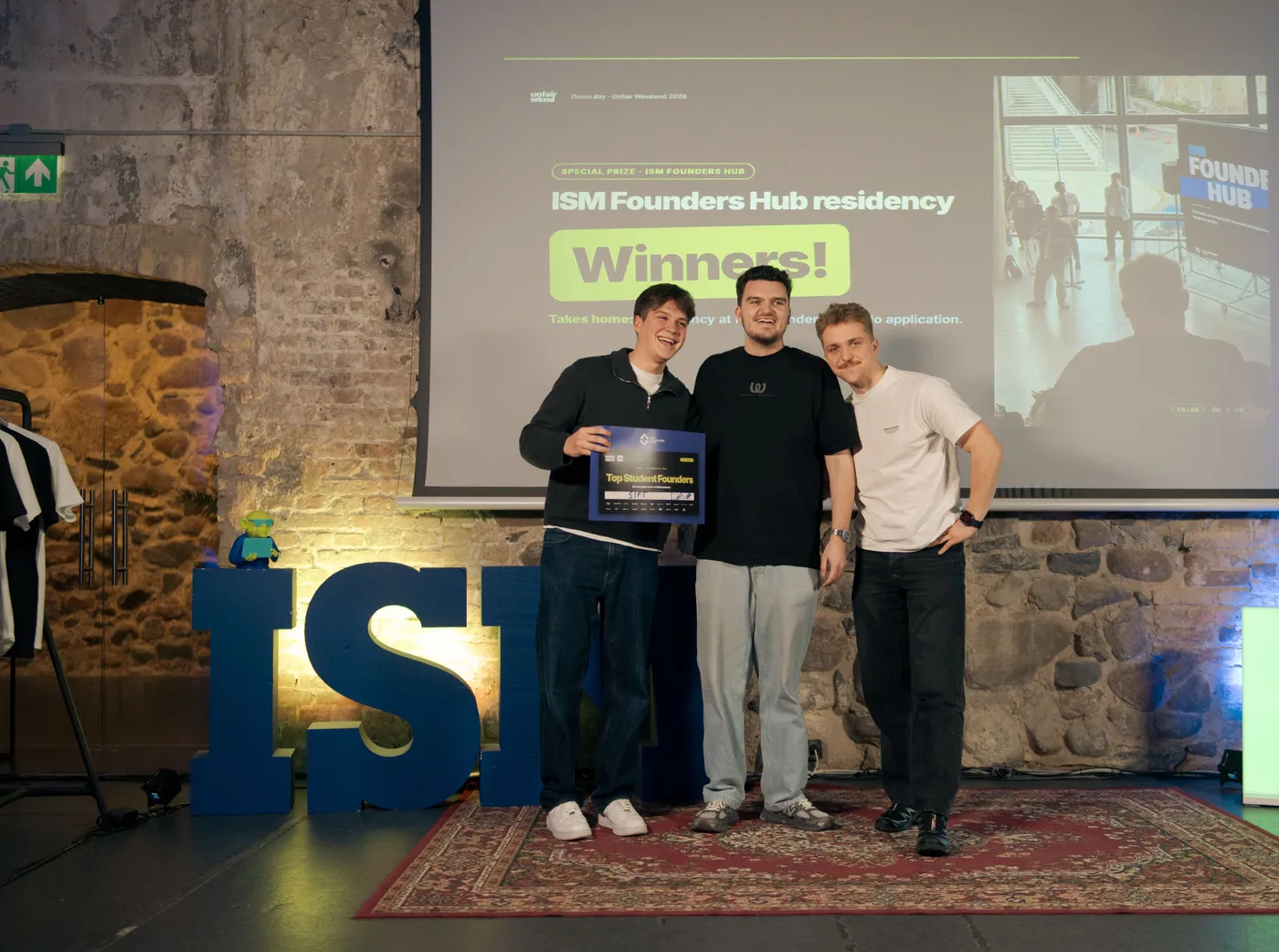
Mid-hackathon, a teammate’s phone said “storage almost full”. So they built Sift: swipe left to delete, right to keep. It flags duplicates, blurry shots, screenshots and big videos, and tells you why. Everything runs on the phone, with no account and no uploads. The team goes straight into ISM Founders Hub, no application needed.
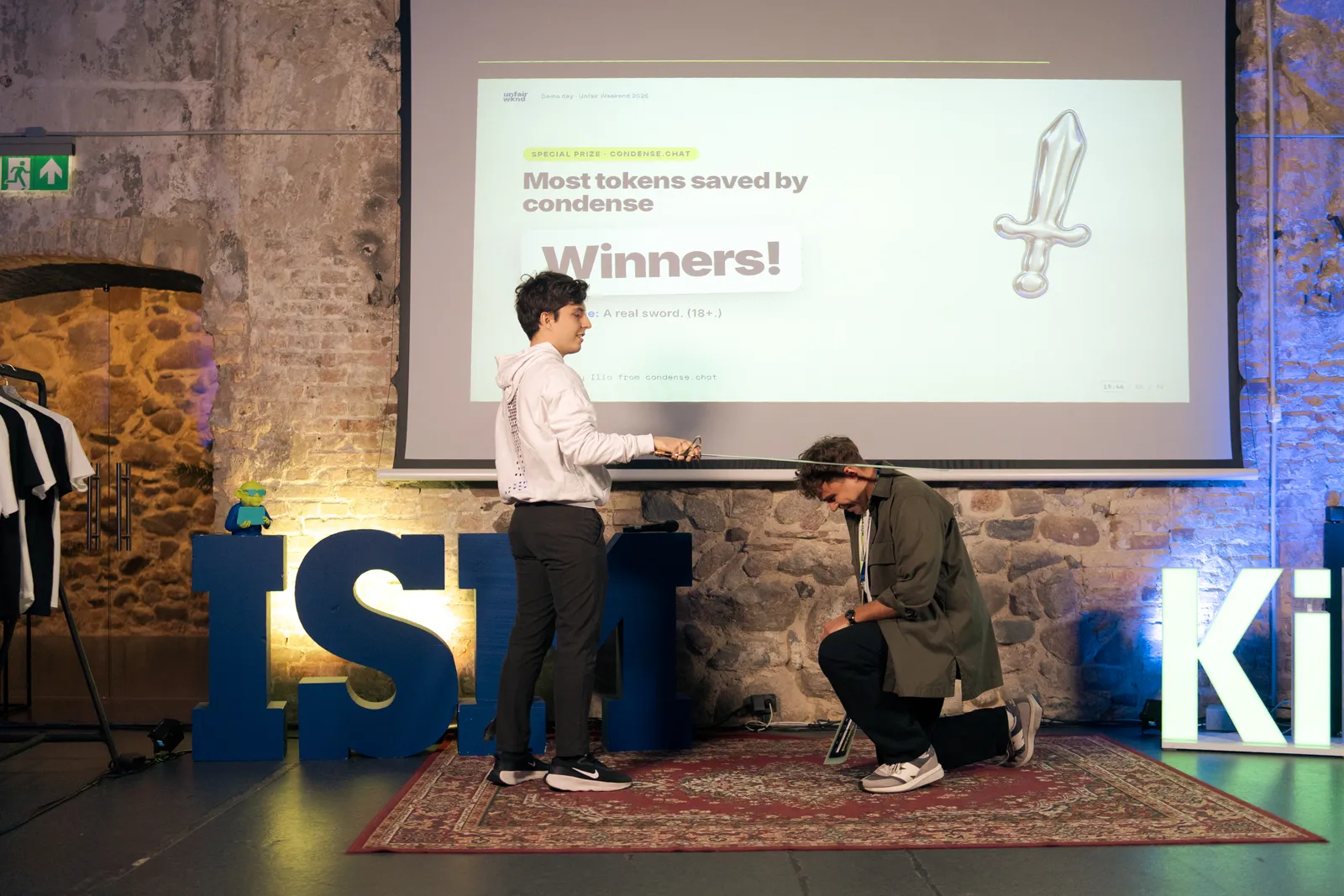
And the condense prize for most tokens saved went to sourcy.live. It’s a real sword, and condense handed it over in a proper knighting ceremony.
So what was the unfair advantage?

Thursday’s first slide asked one question: “Now everyone can build. So what’s your unfair advantage?” Underneath, in small handwriting: hint: it’s not the tools.
Everyone had the same tools, the same partner stack and the same 50 hours. So the tools didn’t decide anything. Look at what the winners brought with them instead.
- •A problem they had lived. Timothée can’t make phone calls in Lithuanian, so he built Dialess. A Callback teammate’s grandmother got a fake “your grandson hit someone” call. Sift started when a teammate’s phone ran out of storage in the middle of the hackathon.
- •Taste from outside software. Courtsight’s biggest lesson came from sports commentary, not code: a great line that comes late feels wrong. BlackGrid spent its weekend making a LiDAR, a helmet and AR glasses agree with each other.
- •Honesty about what works. SkillPaste published the robot result that failed, 0 out of 20, next to the ones that worked.
- •And it wasn’t age or job title. The first-place team was a 12-year-old and two software engineers. SkillPaste had two high schoolers. Dialess was built by one person.
AI made building cheap. Knowing what’s worth building is still the unfair part.
Thank you

To ISM University of Management and Economics, our home for the weekend. To Kilo, Robinhood, Cencora, CyberCare and Helmes, who made the cash prizes possible. And to the partners behind everything else: basedspace, condense, ElevenLabs, Screen Studio, ISM Founders Hub, AWS, HeyGen, NordVPN, Cogrant, Firstpick, Lovable, Firecrawl, Anthropic and OpenAI.
To the 19 mentors and 9 code doctors who gave up their weekend to get teams unstuck. To Brite, Nespresso, Gaidelis, Nestlé and GO Botanicals for keeping 250+ people caffeinated and fed. And to the volunteers who kept everyone badged and on time.
What’s next
Kilo Co-Found is taking applications: kilo.co/apply-to-co-found.
See you at the next one.

Published by Vaida · November 16, 2026
Read more stories