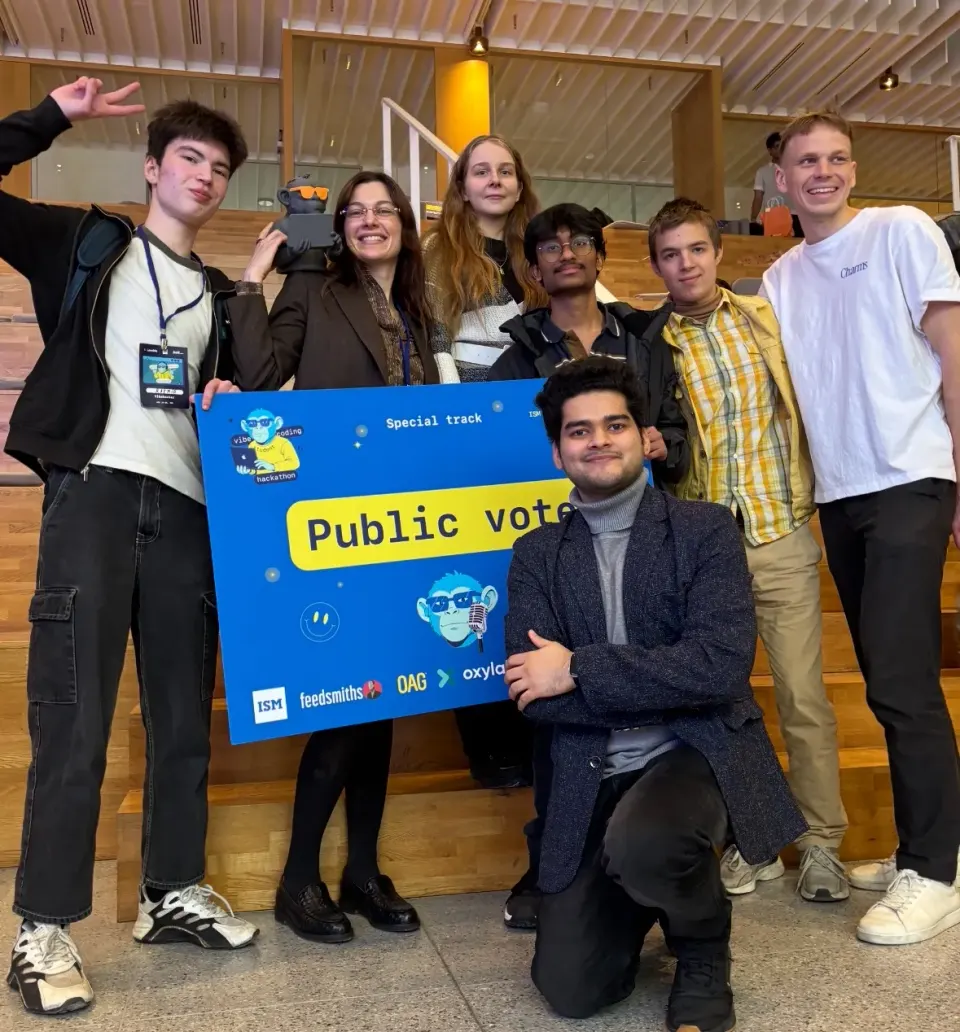
Ravi Joshi didn't come to the hackathon with a complex business plan. He came with a memory of his neighbor's elderly father.
The man was isolated, rarely leaving his apartment. Then his family got him a dog. Suddenly, he was outside every day—walking, smiling, talking to neighbors. His world expanded.
"I saw the magic of that companionship," Ravi says. "But I also saw the burden—the vet bills, the mess, the days he was too tired."
What if you could get someone moving every day without them actually needing to own a dog?
Five days later, Walky Doggy won both the Public Vote prize and a special track for Best Vibecoding Project. The people chose it, and a team of four proved that the best ideas often start with something you witnessed in real life.
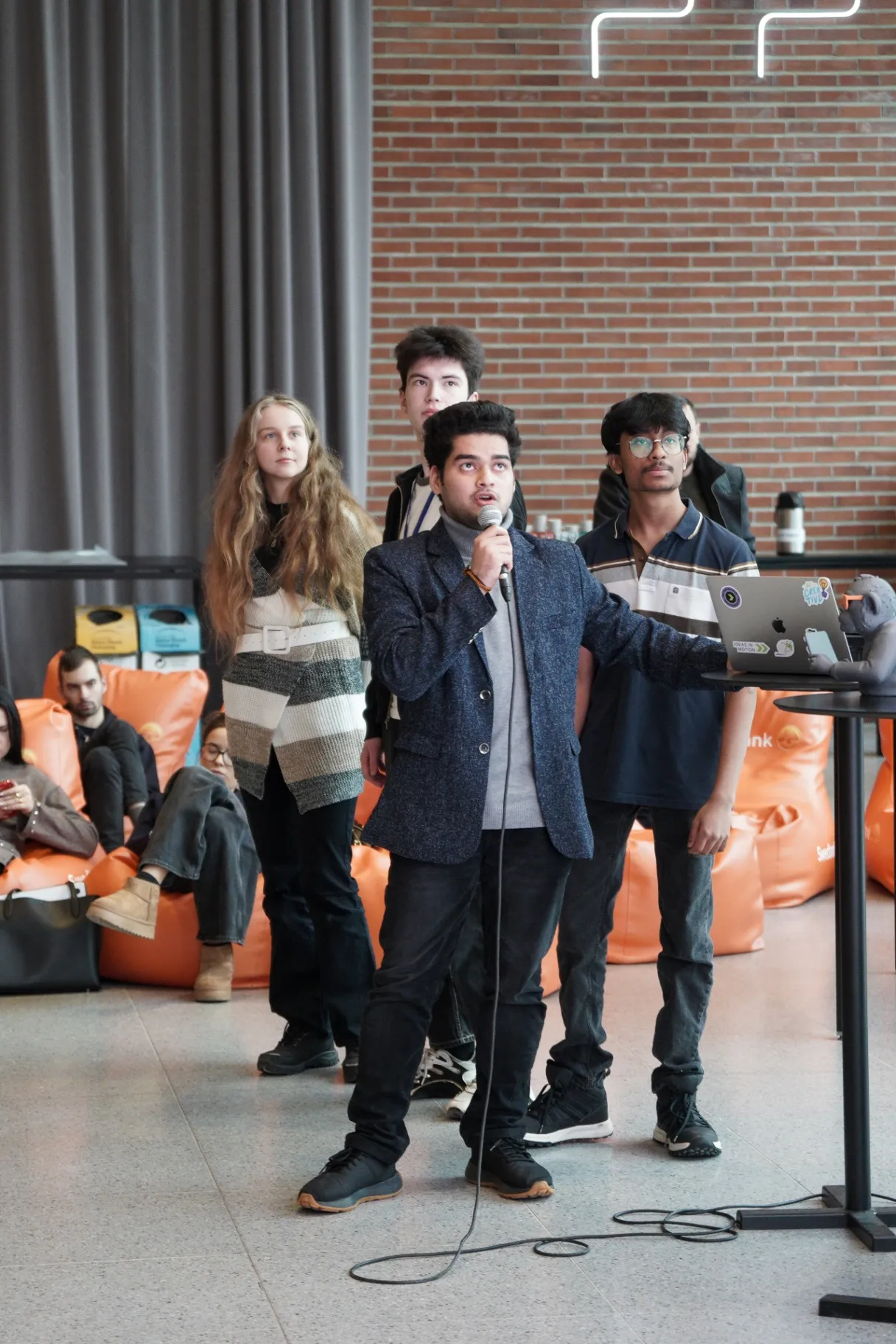
The emotional infrastructure of exercise
Here's what we know about fitness apps: they fail. People download them, use them for a week, maybe two. Then they disappear into the graveyard of good intentions on page three of your home screen.
The problem isn't motivation. It's that most fitness apps treat walking like a transaction: steps for points, points for badges, badges for... nothing that actually matters to you.
Walky Doggy flips this. Instead of tracking steps as data, it creates emotional accountability. You're not logging activity—you're caring for a digital companion whose happiness depends on you moving.
Your dog gets happier when you walk. Sadder when you don't. The app uses geolocation to track real-world movement, so there's no gaming the system. Your digital dog's health is a direct mirror of your physical activity.
It's the same psychological mechanism that got Ravi's neighbor out of his apartment every single day. Companionship creates consistency in a way that gamification can't.
Building fast with tools that don't fight you
This was Ravi's second hackathon. His first, in Riga, he built an AI sports suit that won first place. That project required deep technical work—sensors, machine learning models, hardware integration.
Walky Doggy was different. The team had five days. Four people. And a clear vision: validate the idea fast.
"At first I thought it would not be able to materialize my ideas to life. Then the more I started using it, I figured out if I prompted step by step nicely, it works perfectly."
— Ravi, on using an AI app builder for the first time
An AI app builder became the team's frontend builder. No wrestling with component libraries or CSS. No hours lost to layout bugs. Ravi would describe what he wanted—a home screen showing the dog's mood, a map interface tracking walks, a care menu with feeding and play options—and the tool generated working interfaces.
The learning curve was real. "Using vibecoding, the app broke multiple times, especially when integrating the map initially," the team notes in their submission. "Fixing one issue often created another."
But here's what made the difference: the tool's version history. When a change broke something, they could roll back to the last working version and try a different approach. No git conflicts. No "wait, which branch was this on?" Just: revert, adjust the prompt, try again.
For backend logic, they used Bolt.new. For their mascot design—the adorable dog character everyone found cute—they used Why The Duck. For their demo video, Screen Studio made recording smooth and interactive.
The stack wasn't about using the fanciest tools. It was about using tools that let them move fast and fix things when they broke.
When your demo video does the work for you
By Friday, Walky Doggy had something most hackathon projects don't: clarity.
The demo video opened with the problem: isolation, inactivity, the failure of traditional fitness apps. Then it showed the solution: a living, breathing (digital) relationship that makes movement meaningful.
Judges saw it. The audience felt it. The public vote wasn't even close.
"I learned that though it's important to have an idea, most important is how well we are able to execute and present it. Are we able to solve real-life problems which would create an impact in the world—big or small, every effort, every conversation, every impact matters."
— Ravi
Julija handled design and UX, ensuring every screen reinforced the emotional bond between user and dog. Ratmir directed the pitch, making sure the story hit before the features did. Pranav built core functionality, turning prompts into working code. Ravi led, presented, and held the vision together.
This is what vibecoding enables: teams where not everyone needs to be a developer. Where a designer can contribute equally to a coder. Where the person with the best understanding of the problem can lead, regardless of technical background.
What the tooling actually solved
The tooling didn't build Walky Doggy. The team did.
But the AI app builder removed the friction that kills most hackathon projects: the hours spent fighting with frameworks, debugging CSS, restructuring components when requirements change.
"I even missed some of the orientation planned by the organizers, but I was still able to figure out the tools on my own. Most tools I used were user-friendly and easy to understand even without assistance."
— Ravi
That's the point. The tool got out of the way. It let Ravi focus on the thing that actually mattered: does this app create the emotional connection we think it will?
When the team needed validation on their idea, they asked mentors Vaida, Domas, and Mahdi Shariff. When they needed to test user flow, they built it in their app builder and watched real people interact with it. When something broke, they fixed it and moved forward.
The MVP now works smoothly. It represents the vision they started with. And it has a roadmap: AR features, physical merchandise, a platform for connected wellness that bridges digital and physical worlds.
The hackathon that taught building without barriers
"This hackathon introduced me to vibecoding. I understood that to validate an idea, I don't need to code from scratch. I can build and test MVPs by vibecoding."
— Ravi
For his first hackathon in Riga, he needed technical depth. For Vibecoding, he needed speed and clarity. Different problems require different tools.
What made this hackathon special wasn't just the prizes or the partners. It was the realization that the barrier between "I have an idea" and "I have a working prototype" is lower than ever—if you know which tools to use.
Walky Doggy started with an elderly neighbor and a dog. It became an app that won the hearts of 170 participants and judges. It proved that the best ideas come from paying attention to real life, and the best tools are the ones that don't make you choose between speed and quality.
"Being someone who always likes to learn new things, this hackathon gave me an ocean to learn from. So many like-minded people who like building things. Highly qualified mentors. I was able to put my leadership skills to test by handling my team, making our MVP better with every step."
— Ravi
You show up with an idea. The right tools remove the barriers. And if you're solving something real, people notice.
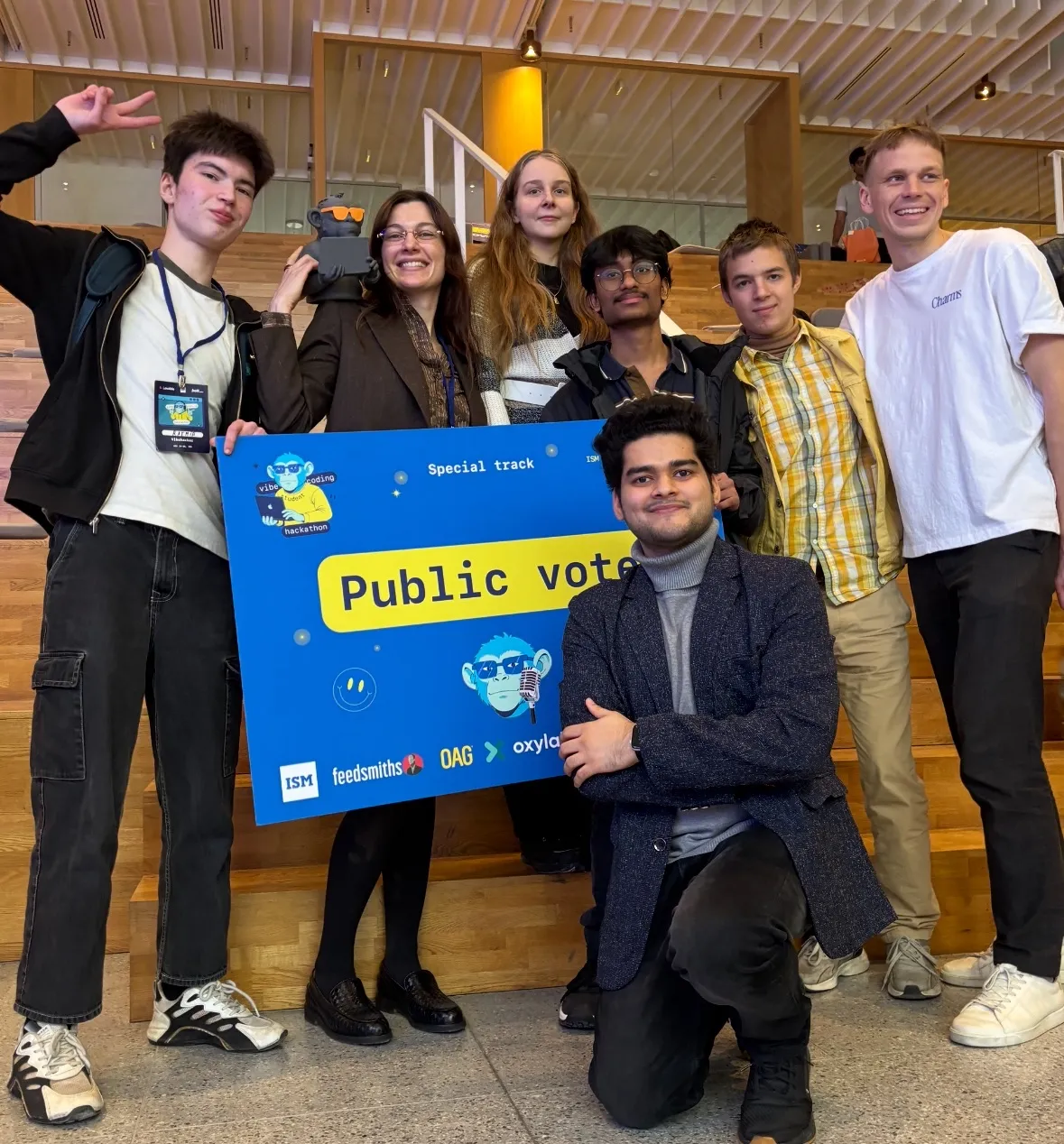
Walky Doggy proves what's possible when builders have access to professional-grade tools that get out of the way and let them turn an idea into a working product in days, not months.
2025 event partners
Thank you to everyone who backed Vibecoding Hackathon 2025
Main Partners


Community Partners

Supporters


















Media Partners



Published by Vaida · December 7, 2025
Read more stories